
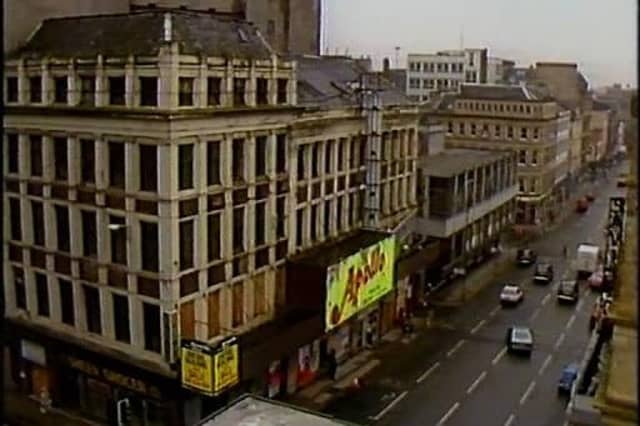


Glasgow is known worldwide for its rich Victorian architecture that we see across the city everyday. But so many buildings that were once a part of Glaswegians daily life are now missing from the cities skyline.
Today we wanted to explore the best, most impressive buildings of Glasgow that we have sadly lost. It’s important that we hold on to our architectural heritage, lest we go the way of London and get left with a boring skyline marked by huge glass boxes.
Seemingly it’s only in the last few decades that we’ve started caring about preserving our historical buildings. Back in the 19th and 20th century the Glasgow Corporation would demolish a stunning gothic wonder at the drop of the hat, much to the chagrin on later generations.
Whether through natural, planned, or disastrous processes, we’ve lost a lot of the iconic buildings that once defined Glasgow.
For more historical and heritage picture galleries, the latest on hospitality, community news, event guides, and much more: Sign up for our GlasgowWorld newsletter - delivered Mon-Wed-Fri.
Earlier this year we wrote up an article on historic buildings of Glasgow that are currently endangered, check it out here: Buildings of Glasgow: 14 historical Glasgow buildings currently at risk and in poor condition
You might get the impression from this article that we hate all the new structures in the city, this is far from the case. Read our article: Buildings of Glasgow: 14 of the best new landmark Glasgow buildings of the 21st century
For more on the impressive architecture we still have in Glasgow today, make sure you read our article: Buildings of Glasgow: 30 of Glasgow’s most recognisable and best buildings
Here’s a list of 10 of the buildings in Glasgow that are no longer with us, though we wish they were.
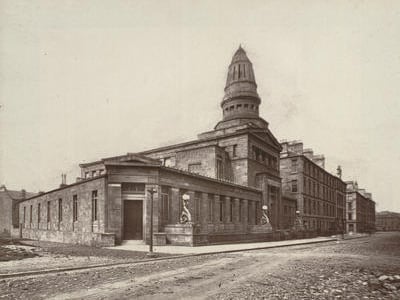
9. Queen's Park UP Church
Designed by Alexander ‘Greek’ Thomson - the church was demolished when a German bomb dropped on it in 1943 | Scotsman
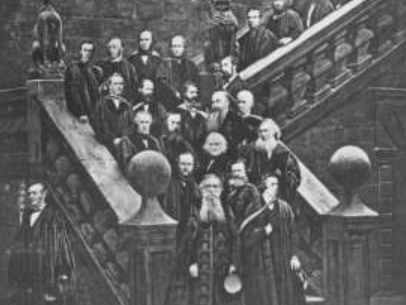
10. University of Glasgow Old College
The old campus of the University of Glasgow could originally be found along High Street for 400 years before they moved to the West End in the 1870s. | Contributed