
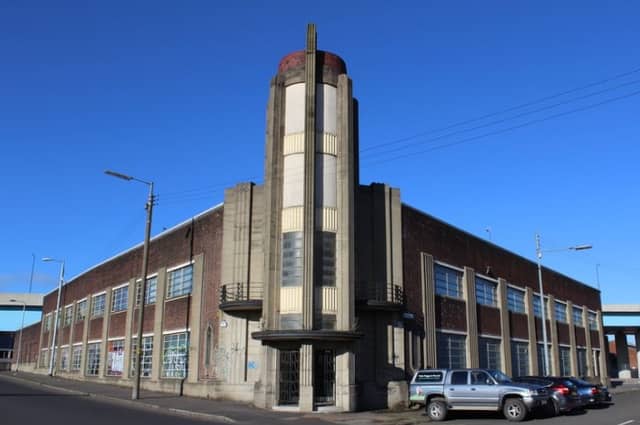


It wasn’t too long ago that Glasgow was an truly industrial city - generations of different factories, warehouses, and other sites still stand as a reminder of our city’s past.
It’s been even less time since Glasgow was a post-industrial city, a period when it saw a rapid decline and many of the old factories were brought to the ground.
Thanks to the listed building initiative however, many of the better presented factories like the Templeton Carpet Factory were preserved for their architectural significance.
These factories produced much more than just the products they manufactured, lifelong friends and even romances were made in the four walls of the factory - as Glaswegians worked ridiculously long hours before returning to slum tenement housing conditions.
Industries within Glasgow factories at the time varied wildly, it wasn’t just heavy industries like engine-building, cotton textiles and related industries like bleaching, dyeing, chemicals and textile engineering were also what happened in Glasgow factories.
To find out more about the life and times of Victorian Glaswegians, check out our picture gallery here.
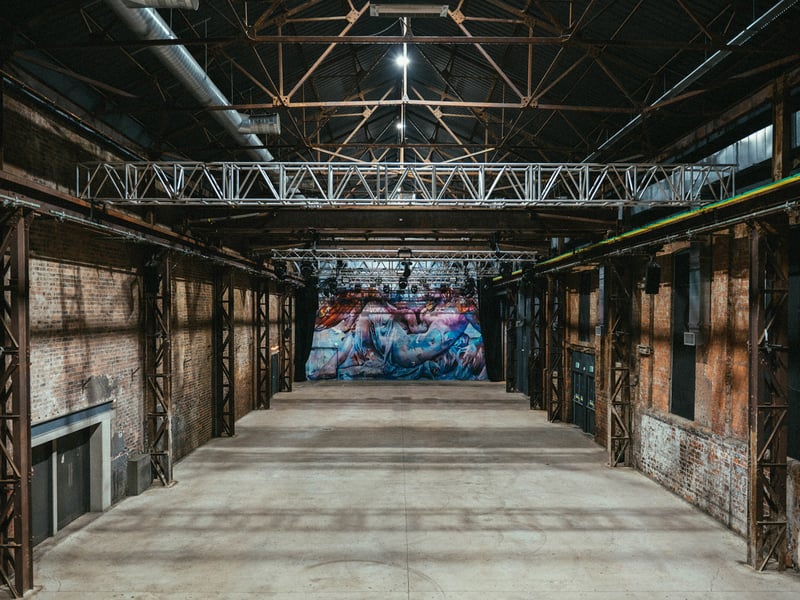
9. Galvanizers Yard / SWG3
Much of the SWG3 arts venue is retrofitted from old warehouses by the River Clyde - but this is no more apparent than in the Galvanizers Yard. Formerly a warehouse filled with the sound of pounding steel as it was prepared for the shipbuilding on the River Clyde. | Contributed
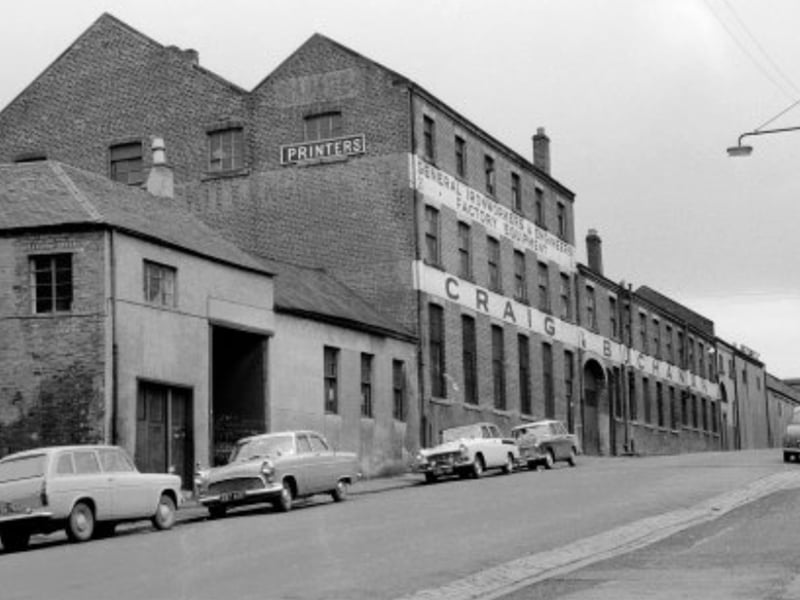
10. The Engine Works
The Engine Works along the Forth & Clyde Canal in Maryhill has a history dating back to 1837 and is an important part of Glasgow’s industrial heritage. It was built originally for Victorian industrialist and crude & shade oil producer William Walls. Clarkson and Becket brothers bought the Engine Works in 1873 producing steam engines for boats and ships around the world. Owned by just a handful of families over the years, the building remained in use until 2012, when it was vacated by Craig & Buchanon – unfortunately the property had been neglected for decades and had fallen into substantial disrepair. | The Engine Works
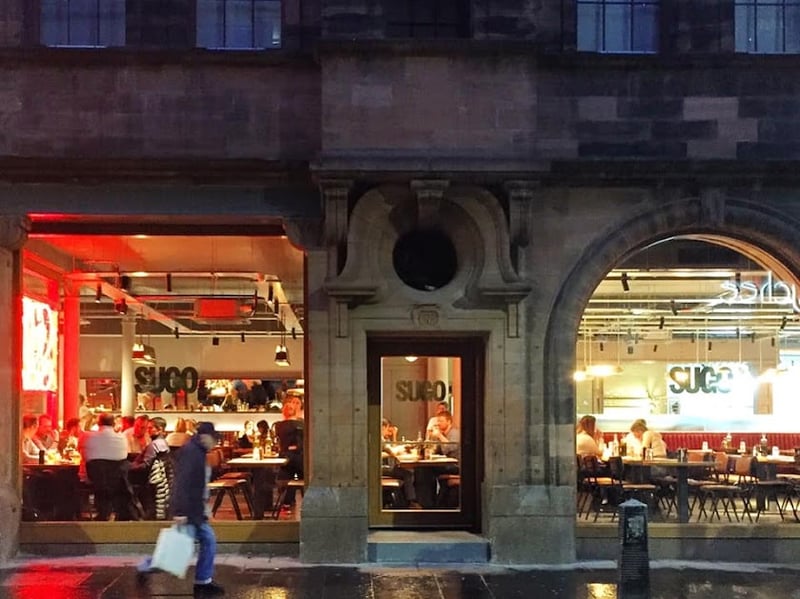
11. Sugo
Every Glaswegian knows Sugo by now - nestled in The Lighthouse, the original headquarters of The Herald when it was constructed back in 1885. This historic building was the very first public commission by Charles Rennie Mackintosh - it's one of the only ways you can access the old building now, as The Lighthouse has been shut to the public since the pandemic. | Contributed
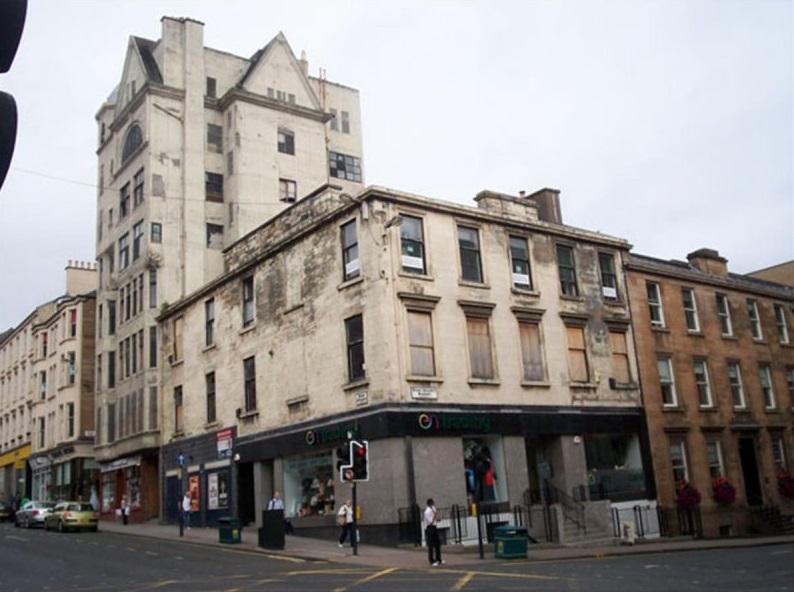
12. Lion Chambers
The architecturally unique Lion Chambers on Hope Street was designed in the Glasgow art nouveau style and dates from the early Edwardian era. It started construction in 1904 and finished in 1907. Options for its reuse have been discussed for more than a decade - but to this day the space remains derelict on Hope Street to this day. The building was home to many lawyers and artists for most of the 20th century, until they were evacuated in 1995 as it had become to dangerous to use for commercial purposes. It's lay derelict since - it's pretty safe from demolition, for the most part, thanks to it being A-listed. Most of the issues around the building stem from the experimental style of construction, the Hennebique System, which involves a reinforced concrete as its main material. Photo: Copyright Historic Environment Scotland