
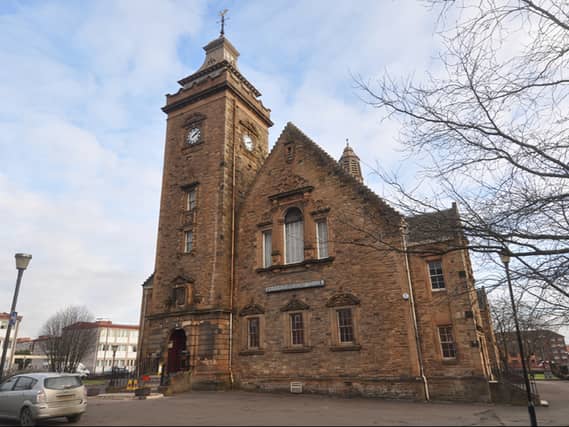


Pollokshaws has a storied and proud heritage - today we wanted to take a look at the local history of the Southside through the architecture and the story’s they tell.
Pollokshaws was originally a village predominantly dedicated to weaving in the 17th century. A group of Flemish weavers were brought to the area in the 19th century by the landowners, the Maxwells of Pollok, on account of their exceptional weaving skills.
Pollokshaws was granted a charter to become a Burgh of Barony in 1812. It became a police burgh in 1858 and remained a burgh of Renfrewshire until 1912 when it was annexed to the City of Glasgow.
Though it had been an industrial area, this changed in 1957 when it was proposed as the second Comprehensive Development Area in Glasgow (the first was Hutchesontown). The area was demolished and rebuilt anew.
The 1960’s regeneration scheme of mainly high-rise buildings has started to make way for new mainly low-rise modern housing - but despite this razing, there’s still plenty of historic buildings that indicate the burgh’s historic past.
A lot of this information was supplied from the Pollokshaws Heritage Trail, created by Paul O’Cuinn on behalf of Pollokshaws Heritage Group.
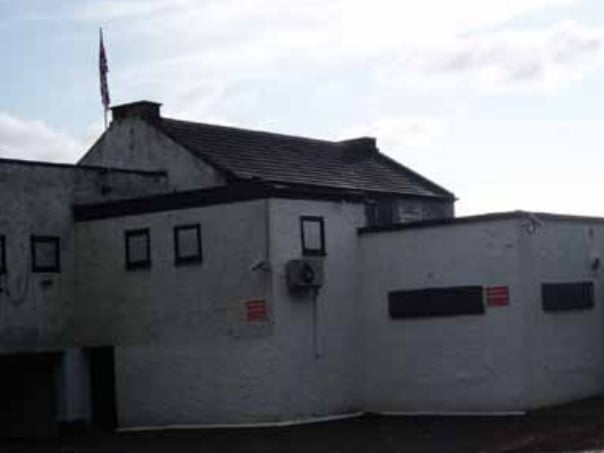
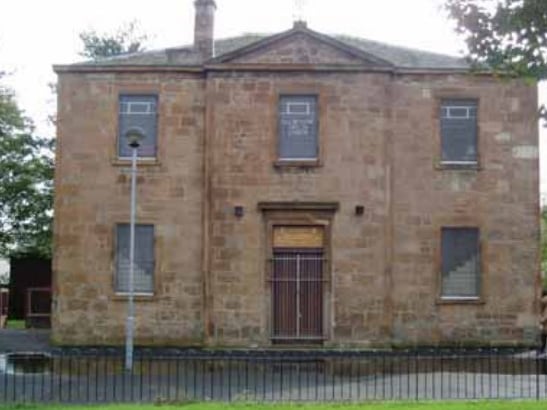
13. The meal mill and Millers House
The grinding of meal was probably the earliest form of industry in Pollokshaws. Every tenant who worked the Pollok Estate was obliged to have their grain ground at the Shaw Mill, which stood on the left bank of the River Cart close to the Shaw Bridge. According to ‘Pollokshaws: Village and Burgh’ by Andrew McCallum, the Millers house forms the main part of the Pollokshaws Orange Lodge, which relocated here from Pollokshaws Road in 1966. The triangle of ground opposite the Lodge is known as the shilling ground and was provided by the laird for the tenant farmers to winnow the husks from the grain, a practice known as shilling. | Contributed
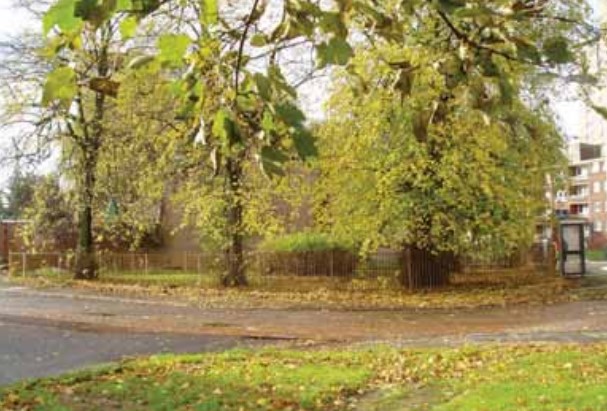
14. The Shilling Grounds
Opposite the Millers House is an enclosed triangular area of ground known as ‘The Shilling Ground’ that was given to the people of Pollokshaws by the Maxwell family. It was here that local farmers would ‘winnow’ their grain by tossing it into the air for the breeze to blow away the chaff allowing the heavier grain to fall to the ground. This time consuming process was later replaced by machines called ‘Fanners’. The five trees are reputed to commemorate the last five Provosts of Pollokshaws which was an independent burgh before being annexed by Glasgow in 1912, they include Donald McFarlane of Wellmeadow Laundry (1897-1900); David Wright Leckie of Thom & Cameron Ltd (1900-1903); Robert Wilson of John Horn Ltd, printers (1903-1905); James MacDougall, tailor and clothier (1905-11) and finally Robert Stirling Brown of Brown and Adam Ltd (1911-12). | Contributed
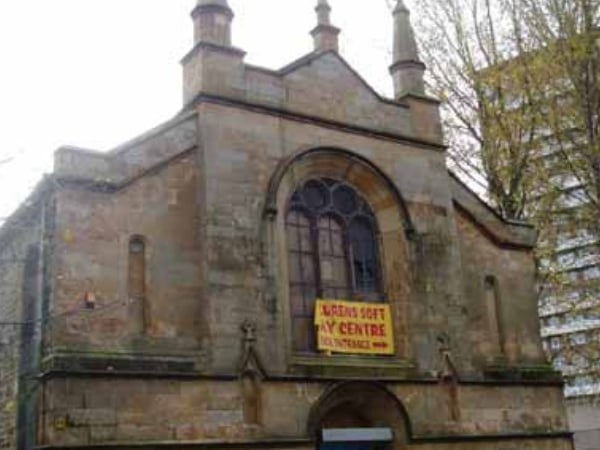
15. Pollokshaws United Free Church
As a result of the disruption in the Church of Scotland in 1843 a large number of members severed their connection with Eastwood Parish Church and formed their own congregation. This congregation worshipped in the open air and then in a joiners shop in Cogan Street until a temporary wooden church was erected in 1847 in Cartcraigs. This became known as the Spale Kirk and they remained here until a new church was built in Shawbridge Street. The church closed in 1994 with the building used primarily as a carpet shop and is now an indoor childrens’ playcentre | Contributed
16. Pollokshaws Parish Church
This church has been in existence since 1843 but its roots go back much further. It was formed from the membership of the original Pollokshaws Secession Congregation that settled in Pollokshaws in 1763 and built the first church in 1764. When the second minister Rev. Finlay Stewart died in 1841 the membership split over the appointment of his successor resulting in a minority of members forming a separate congregation, which met with the approval of the Synod on 15th September 1842. The present Pollokshaws Parish Church building represents the last Original Secession Church building still in use within the Church of Scotland. | Contributed