
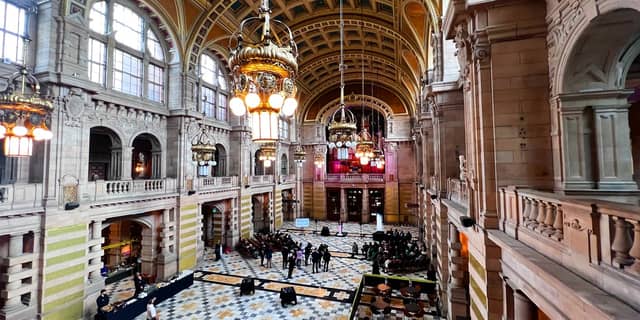


Glasgow is a city where architecture tells the story of its people and identity. Walking through its streets, you encounter a dialogue between centuries - medieval spires, Victorian grandeur, modernist experiments, and bold contemporary designs all jostling for attention. Each era brings an opportunity for reinvention, adding another layer of landmarks to the cityscape.
The affection Glaswegians feel for local landmarks are tied to memory and meaning: red sandstone tenements from childhood, university cloisters, grand civic buildings, curious city centre constructions, markers on favourite streets.
Part of what makes Glasgow’s architecture interesting is its variety. Charles Rennie Mackintosh’s visionary works, brutalist interruptions to the flow of Victorian and Georgian rows, old buildings reflected on the glass veneer of modern towers.
In recent years, conversations around Glasgow’s built environment have also highlighted the importance of preservation and regeneration.
While many important structures face challenges, there remains a sense of collective determination to protect the buildings that matter. Our built heritage deserves more care and attention. Glasgow is in danger of succumbing to the featureless onslaught of generic modernity. So much of the city’s sense of identity is wrapped up in the landmarks that have become emblems for Glasgow. They should be cherished and remain a part of local life.
Here are 25 of Glasgow’s favourite buildings, as suggested by our readers and writers, that best represent the city.
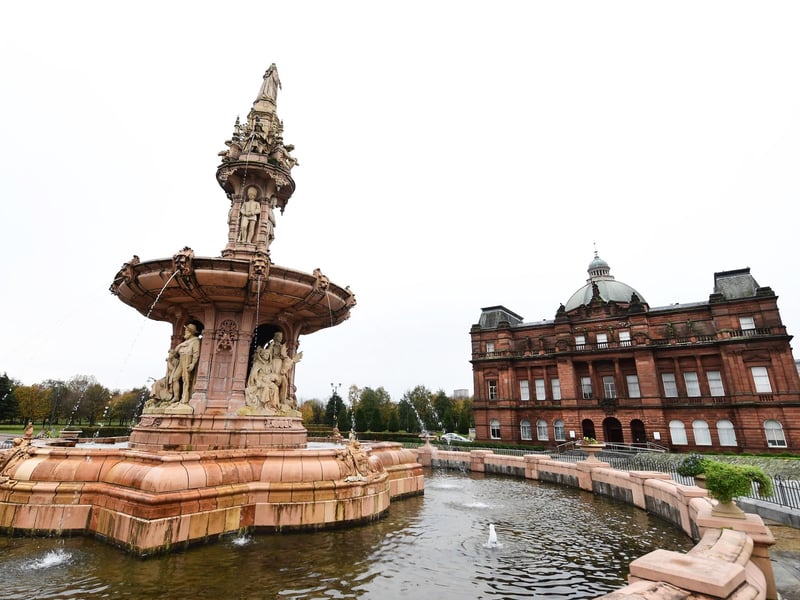
9. People's Palace
A cultural centre for the East End and a repository of folk memory. Currently closed for a significant refurbishment which will include returning the Winter Gardens to public use. The museum collection includes pictures and depictions of working class Glasgow life through the ages, particularly in the 20th Century, with a one-room tenement home and memorabilia from the Barrowland Ballroom. Billy Connolly’s banana boots are one of the most popular exhibits. The Doulton Fountain outside is the biggest terracotta fountain in the world. Photo: John Devlin
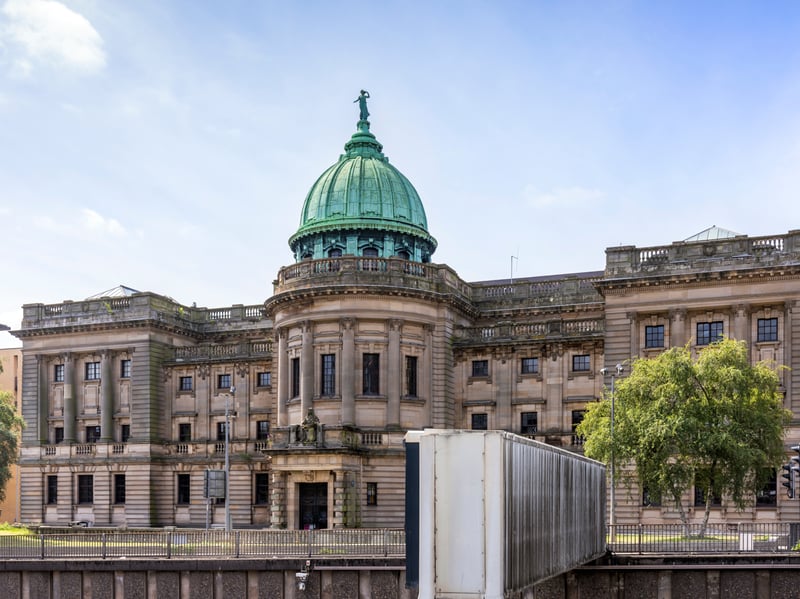
10. Mitchell Library
The foundation stone was laid by Andrew Carnegie in 1907. A collection of over a million books and photographs is housed across a majestic building with a distinctive copper dome and a 1970s extension with wonderfully kitsch carpets. There’s a comfy cafe on the ground floor. The Mitchell holds the Glasgow City Archives and Special Collections including Robert Burns hand-written manuscripts. The theatre here hosts events during the Aye Write! literary festival. | Adobe
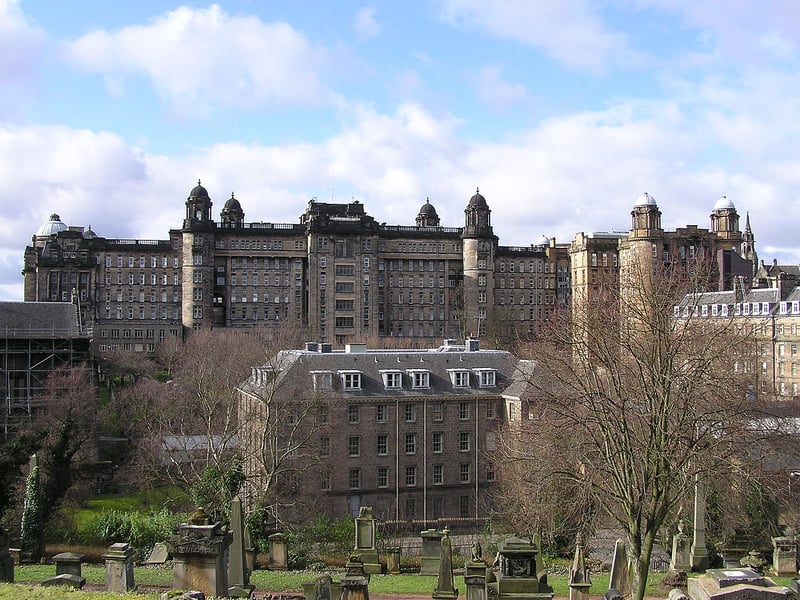
11. Glasgow Royal Infirmary
The imposing edifice of the Royal Infirmary stands beside Glasgow Cathedral on land that holds the ruins of the Bishop's Castle, which dated from at least the 13th century. Designed by Robert and James Adam, the original Royal Infirmary building was opened in December 1794. As the city grew in size it became evident that a new hospital was required. The original buildings were demolished and architect James Miller led the seven year construction of what was the UK's biggest public building when it opened in 1914. Numerous extensions have been added and the Glasgow Royal Infirmary remains the principal hospital for much of the eastern side of the city. | Glasgow Royal Infirmary
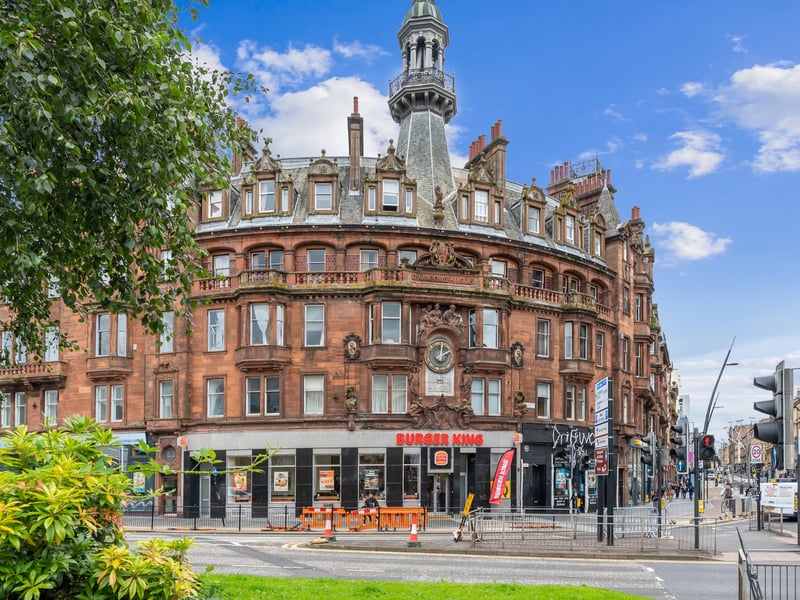
12. Charing Cross Mansions
Charing Cross Mansions are one of the city's oldest and grandest red sandstone tenements, built in 1891, and based on the design of Scottish Edwardian architect John James Burnet. The ornamental clock face at the Mansions is bordered with the signs of the zodiac. The building was styled as a French early Renaissance four-storey and attic tenement with shops at ground floor. It has a curving facade of 24 unequal bays on Sauchiehall Street and St George's Road, topped with a turret. | Clyde Properties