

Partick is one of Glasgow's best known neighbourhoods - and for good reason - over the years it's worn many different hats, firstly as hub for religion, then history, and now culture.
Growing up in Partick was a pleasure reserved by many proud Glaswegians - but it was only just over a 100 years ago in 1912 when the burgh of Partick was annexed by the city of Glasgow. That's why even to this day we can Partick as a neighbourhood with its own culture, people, and way of life that's similar, but very different to other Glaswegians.
Partick's history dates all the way back to ancient times - while there was nothing like Dumbarton Road, the Kings of Strathclyde did have a residence in what would become modern day Partick, and it was later the site of Partick Castle, owned by George Hutcheson, which was demolished in 1836.
Today we wanted to look back at the more modern history of Partick, and track how much the burgh has changed since it was annexed by Glasgow back in 1912.
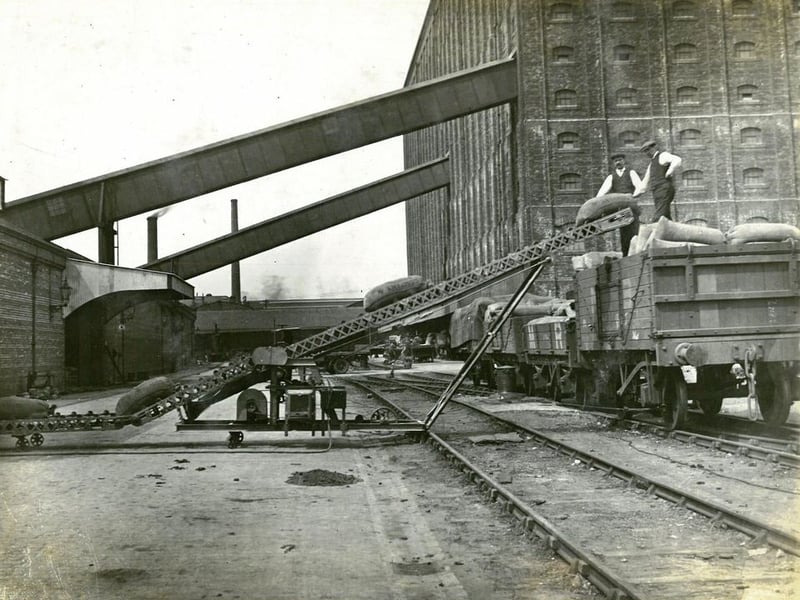
1. Men at work at Meadowside Granary (Circa. 1918)
Working Partick men load sacks of grain on to a railway wagon using a motorised conveyor belt. | Glasgow City Archives
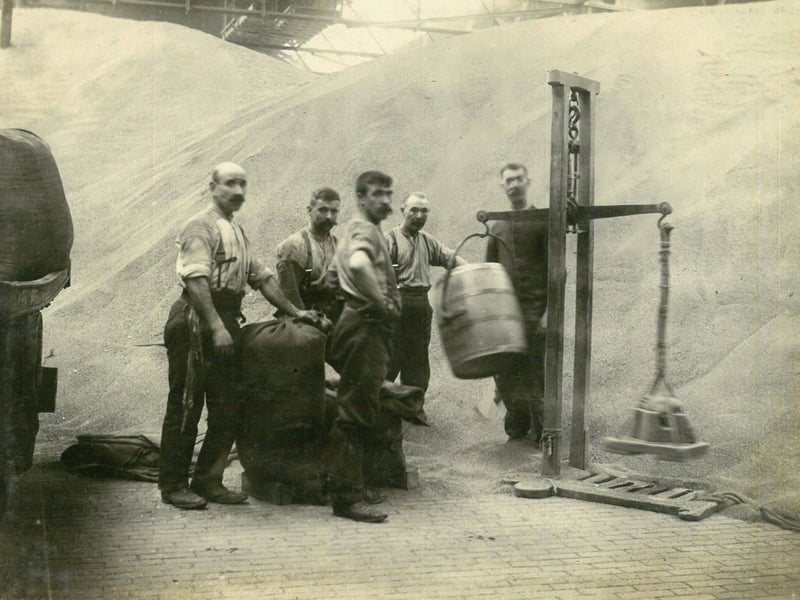
2. Moving mountains at the Granary (Circa. 1918)
Another scene from Meadowside Granary, the workers had literal mountains of labour to complete each day shifting grain. Note the moustaches, we don't think they'd look too out of place in Partick today! | Glasgow City Archive
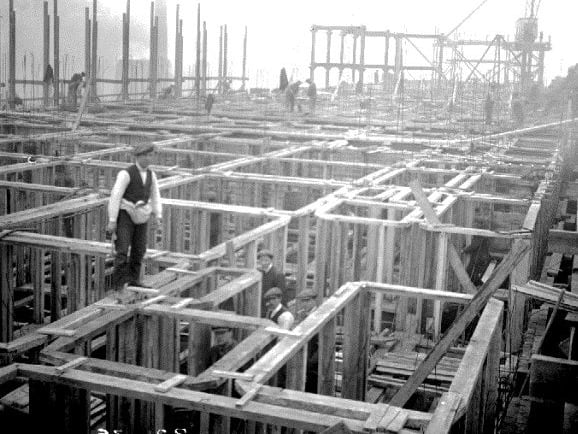
3. Building the granary (Circa. 1911)
The 13-storey granary was built by the Clyde Navigation Trust between 1911 and 1913. It was later extended before being closed in 1988 and demolished in 2002-2003 | Glasgow City Archive
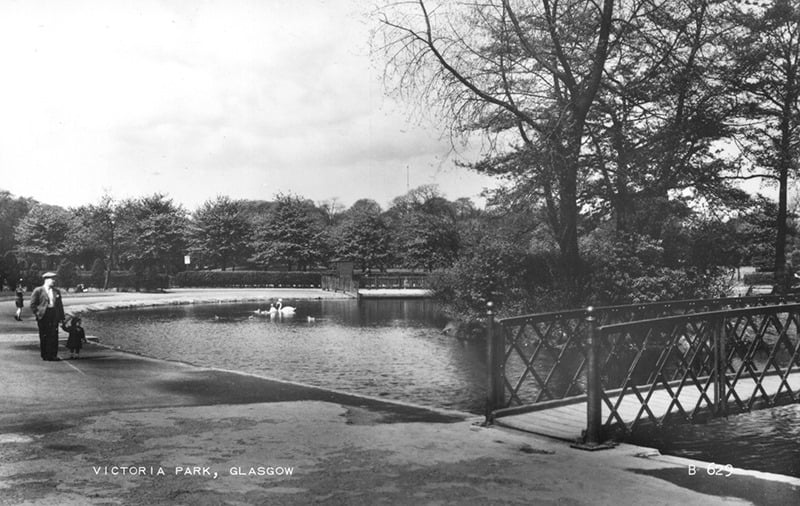
4. Victoria Park (Circa. 1888)
A very early picture of Victoria Park from a brochure celebrating its first anniversary. The park was gifted to the burgh of Partick by Gordon Oswald of Scotstoun and opened in 1887. | Glasgow City Archive