
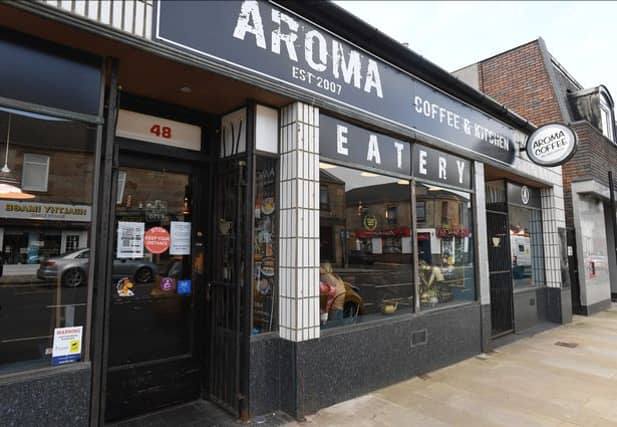


Wishaw gets a bad name - tell someone from Glasgow you’re from Wishaw and you’ll either get a look of confusion or fear - but there’s plenty to do in the wee post-industrial town.
You can find Wishaw (often pronounced ‘Wishy’ colloquially) about 15 miles east of Glasgow City Centre, right next to Motherwell in North Lanarkshire - the towns are incredibly similar, if there wasn’t a sign telling you you’d left Motherwell you’d have no idea you were in Wishaw. Such is the urban sprawl of the Greater Glasgow conurbation.
It’s a funny wee place, it’s on the very edge of the West of Scotland culture line - hop on a 10 minute bus to Shotts or Carluke just a few miles east and you’ll begin to hear people saying ‘ken’ and speaking in an accent very different to what we’re used to in Glasgow.
The keen listener might be able to tell the difference in accent between a Wishaw denizen and a Glaswegian - a Wishaw resident often speaks in a broad west of Scotland accent with hints of Central/East rural Scots in terms of pronunciation.
Coming up in Wishaw you’re well aware that the town was a bit rubbish - there was nothing going on growing up in the 2000’s - much like the hundreds of small post-industrial towns across the UK.
Regardless of where you grow up, the next town over is always the worst, roughest, most repulsive place in the world. Perhaps its a remnant of the Postcode Wars, but growing up in Wishaw I always thought Bellshill was the pits of hell itself, but after growing up and spending a bit of time in the town I now realise its just about as deprived as Wishaw.
Growing up in a post-industrial town I always felt I was born after the gold rush (or steel rush) - the main street was a dull affair in the early 2000’s, corrugated metal shutters flanked Stewarton Street, slammed down years prior, interspersed with bookies, takeaways, and the occassional pub.
It’s easy to make fun of Wishaw, even Tennent’s did it in an old advert, but it’s a lot harder to explain why Wishaw is the way it is.
While Glasgow was able to survive the Thatcher years and the death of the shipbuilding industry thanks to its burgeoning service & hospitality industry and being named the European City of Culture 1990 - Wishaw had no such luck.
When the Ravenscraig Steelworks shut down in 1992 - it’s death echoed through the community. At its time the steelworks, nestled in one square mile between Wishaw and Motherwell, was one of the largest in Western Europe.
Thousands of jobs were lost, leading to a massive increase in ‘anti-social behaviour’, drug and alcohol addiction, mental health problems, and unemployment. When the cooling towers of Ravenscraig came down, the dust cast a cloud over the town that never quite cleared.
Aside from getting sentimental, the destruction of Ravenscraig and lack of intervention from Thatcher’s government killed the town - and the subsequent lack of support by future local and national governments for work or industry in the town was the final nail in the coffin.
The good news is there’s a lot going on in Wishaw now. In the last 15 years Wishaw has produced some of the best Scottish footballers in recent history, including but not limited to: Kieran Tierney, David Turnbull, Stephen O’Donnell, Rico Quitongo, and Jai Quitongo.
Fancy taking a day trip to Wishaw? You can get a bus (X11,240) or a train on the Lanark line from Glasgow Central and get there in just under half an hour.
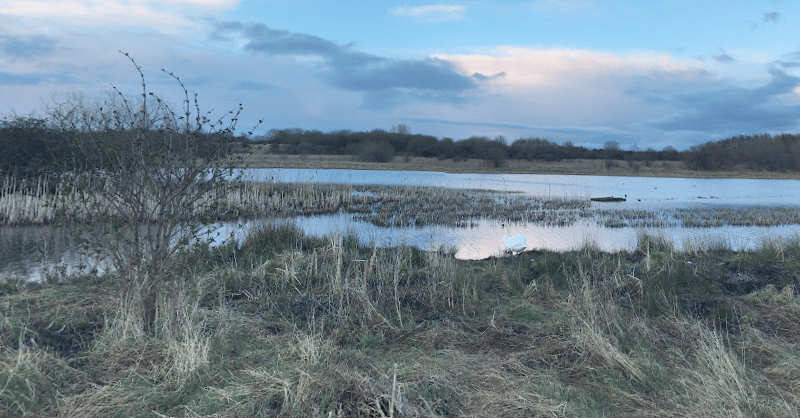
5. Take a walk along Perchy Pond
The Perchy Pond makes for a wonderful late summer evenings walk, teeming with wildlife and serene vistas.Technically the area is called the Greenhead Moss Community Nature Park but having lived in Wishaw for the better part of 20 years, I can confidently tell you I had never heard of that name before I googled it. A perfectly preserved bog body was found near the Perchy - and where the memorial to the man found in the wetlands stands today - don’t let that put you off though, that was hundreds of years ago. | Google Maps
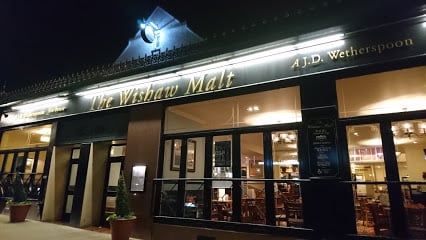
6. Enjoy one of the cheapest pints in Scotland
At The Wishaw Malt, Wetherspoons long-standing Wishaw outlet, you can get a pint of Tennent’s for £2.85 - before the pandemic hit you were able to get a pint for £2.15. It also has some outdoor seating, which was incredibly unique in the town until the pandemic hit and every pub and their next door neighbour built a beer garden. | Contributed
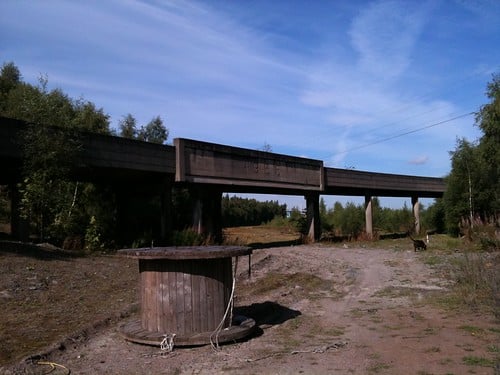
7. Reminisce on days of industry
Most of the Ravenscraig site has been reclaimed by nature 30 years later. Once where massive blast furnaces and cooling towers would illuminate the sky a brilliant fiery orange, now shrouds of greenery creep over the desolate post-industrial wasteland - blasted into a gritty grey by decades of industry. Now they’re building on a town on the former site of Ravenscraig. Coming from Wishaw its a bittersweet feeling standing in what was once the towns biggest point of pride, what Wishaw was known for as far as Germany. Having been born eight years after Ravenscraig was razed to the ground, it’s an odd nostalgic feeling for an era I never experienced. Now they’re building a new-town on top of it - so this artefact of Wishaw and Motherwell’s heritage will soon be glossed over. | Contributed
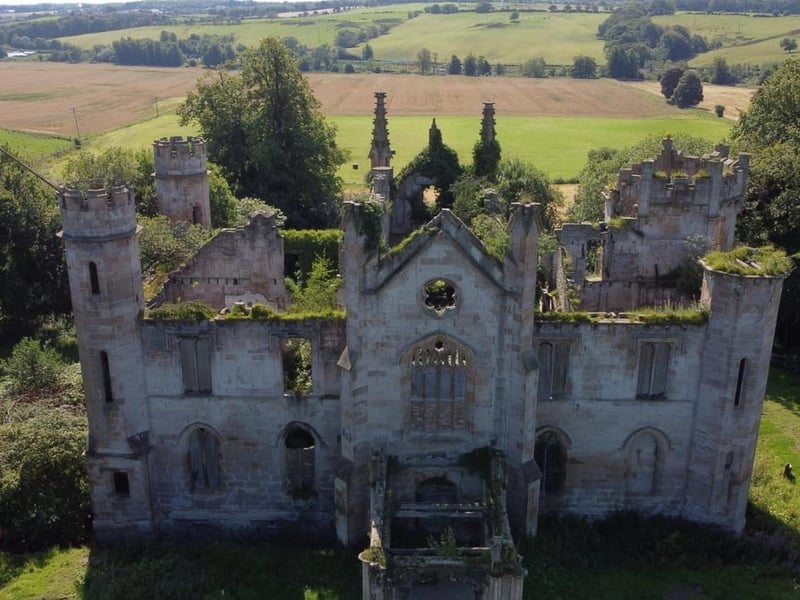
8. Visit Cambusnethan Priory in all its splendour
Cambusnethan Priory can be found on the very edge of Wishaw - an A-listed neo-gothic mansion that has been abandoned for around 40 years. It was once owned by Sir John Craig, who brought a new breed of money to the house after making his fortune in Glasgow’s steel trade as chairman of Colvilles Ltd. - who were heavily involved in the construction and administration of Ravenscraig. | Contributed