
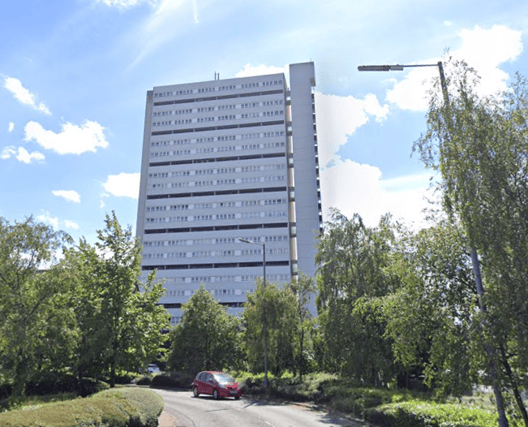


Brutalism, with its bold, imposing structures and raw, exposed concrete facades, has long been a divisive architectural style.
In Glasgow, a city renowned for its rich architectural heritage, it has left an indelible - if not controversial - mark on the city.
From towering high-rises to the unconventional civic buildings, Glasgow boasts a collection of devisive brutalist architecture that has sparked both admiration and criticism.
In this article, we delve into the heart of Scotland’s largest city to explore ten of its most noteworthy and most hotly debated brutalist structures in Glasgow.
Whether you’re a local or a visitor - what do you think of Glasgow’s brutalist architecture, do you love it or hate it? Let us know in the comments!
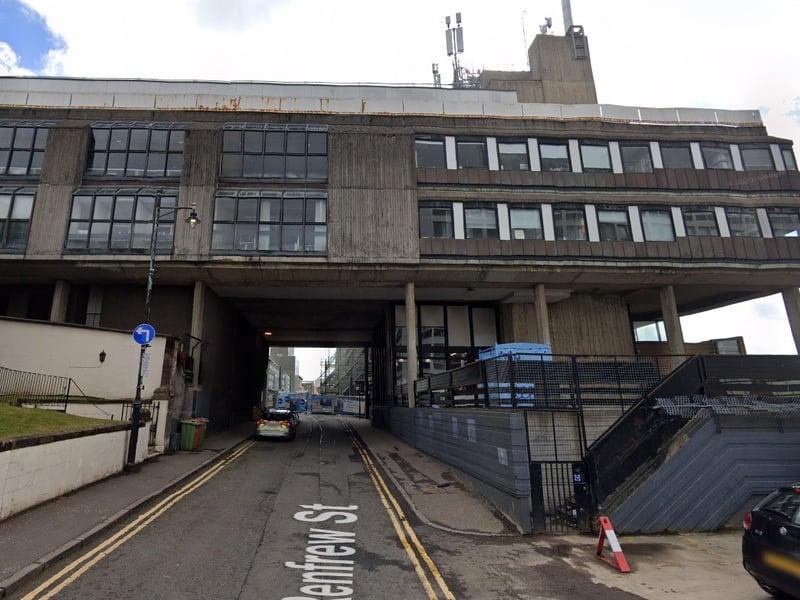
9. Bourdon Street - Glasgow School of Art
Part of the Glasgow School of Art complex in Garnethill, Bourdon Street splits even the students at Glasgow School of Art which is home to many people studying architecture. | Google Maps
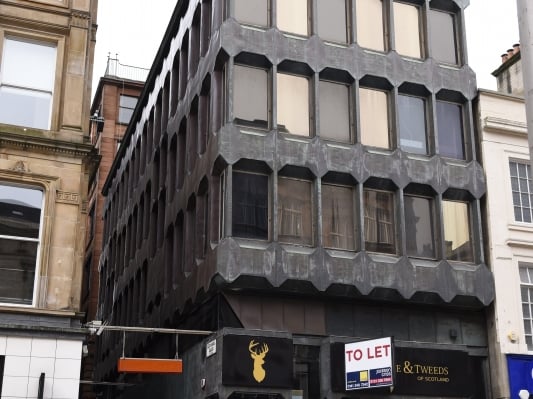
10. BOAC Building
Hidden in plain sight on Buchanan Street, you won't be able to miss it now. Built for the British Overseas Airways Corporation (BOAC) in 1970, the building has a steel frame with a copper cladding on the upper-floor, noticeable by its grid-iron hexagonal window openings. | Contributed
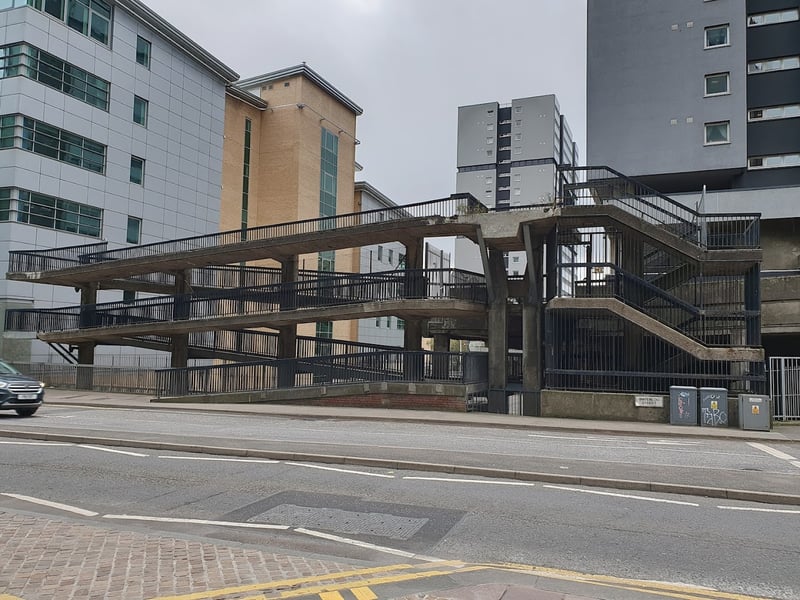
11. Anderston Centre / Cardogan Square
Formerly occupied by Anderston Bus Station, Cardogan Square, formerly the Anderston Centre, has been an odd little island in the city centre since the M8 cut off Anderston. It's one of Glasgow's earliest examples of a 'megastructure' (similar in style to Cumbernauld Town Centre) built in the late 60s in a bid to regenerate the area after Anderston was named a Comprehensive Development Area. Over time parts of the structure have been refurbished, demolished, or otherwise re-developed. From the Waterloo Street side of Cardogan Square, things begin to look very Soviet. | Google Maps
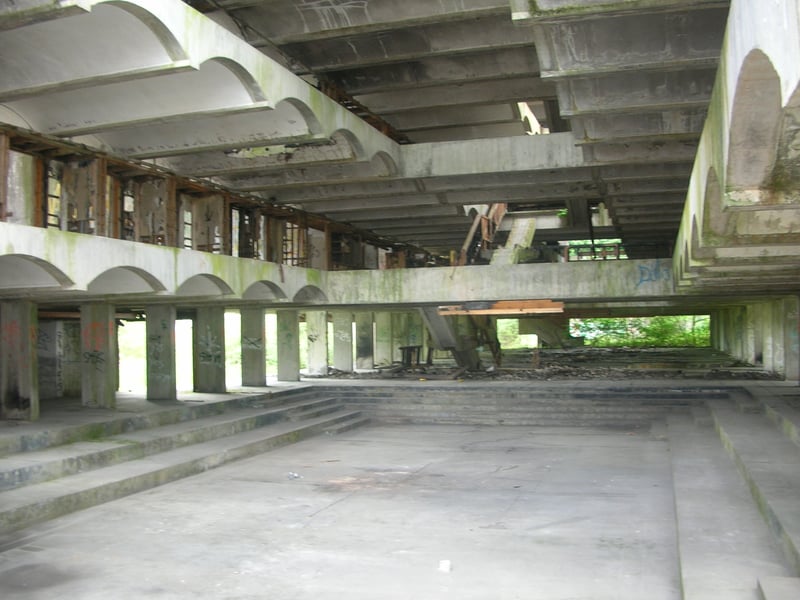
12. St Peter's Seminary
Over in Cardross we have one of Scotland's most brutalist structures, St Peter's Seminary. Looking like a location scouts dream of for some kind of dystopian adaptation of 1984 or Dune, it was originally a seminary for apprenticing Catholic Priests. The seminary closed in February 1980, due to falling numbers of people joining the priesthood. It became a drug rehabilitation centre in 1983, before closing down permanently in 1987. It's been abandoned since, and is now in a completely derelict state following a fire in 1995. It was designed by Glasgow architects Gillespie, Kidd & Coia. | Contributed