
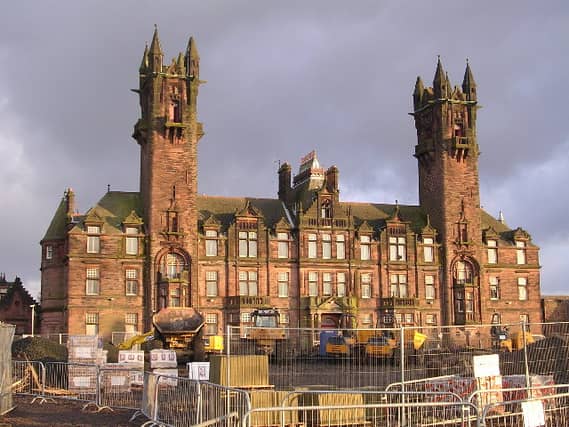


Much like churches, there used to be much more need for hospitals in Glasgow - so much so that very end of the city had their own hospital to call their own - now many of those beautiful old buildings are lost to time.
Hospitals were built for different purposes - mental hospitals, hospitals for infectious disease, children’s hospitals and so on - this may seem novel to young Glaswegians today, who are used to mega hospitals like the Queen Elizabeth University Hospital, but there were dozens of hospitals operating all over the city at any one time in Glasgow.
Historically, the Royal College of Physicians and Surgeons of Glasgow led the way in providing healthcare for the people of Glasgow since they were founded in 1599. They identified which areas of public health needed to be targeted, in which areas, and where hospitals needed to be built in the city. They established charities, medical institutions for education, charities and much more.
The way we provide care has changed massively, with the introduction of the National Health Service, medical technology advancing, and the complete upheaval of the administration of care, we were able to provide the same level of service with far fewer hospitals.
Architecturally, the loss for the city was massive - many of these hospitals were stunning, pillars of the community that served as cornerstones in the skyline. Today we wanted to look back at those old hospitals and their history.
Glaswegian doctors inside Glasgow hospitals were some of the very best in Scotland - the ultrasound was invented in a hospital here in Glasgow, you can read more about that through an article we wrote here.
We’ve also written a feature exclusively exploring the history of Rottenrow, the maternity hospital that brought so many Glaswegians into our fair city - you can read that article by clicking here.
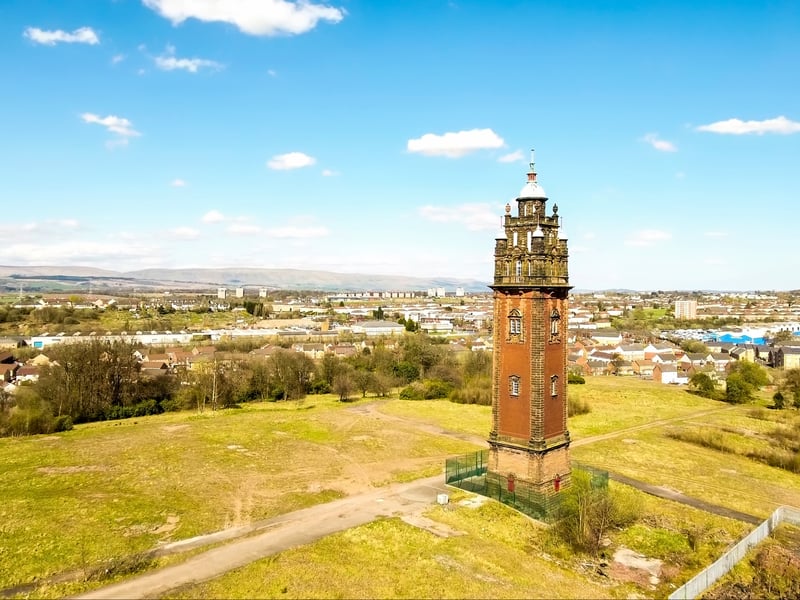
5. Ruchill Hospital
The site of the former Ruchill Hospital is set to become land for 400 new homes. The fever hospital was the set for BBC drama Cardiac Arrest. It closed down in 1998, operating for nearly 100 years, opening in 1900. | Shutterstock
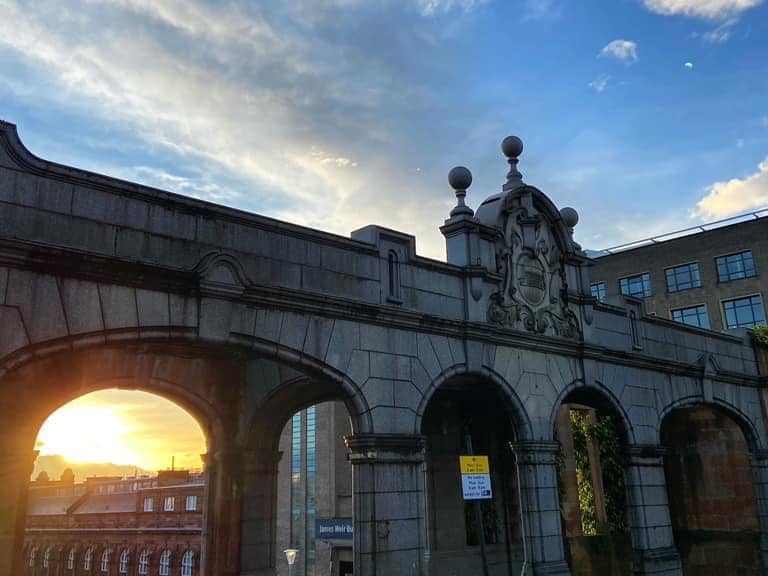
6. Glasgow Royal Maternity Hospital (Rottenrow)
Generations upon generations of Glaswegians were brought into the world on Rottenrow. It opened in 1861 and closed finally in 2001. Glasgow City Council decided to keep the facade to the Glasgow Royal Maternity Hospital on the Rottenrow due its cultural significance in the city | Glasgowist
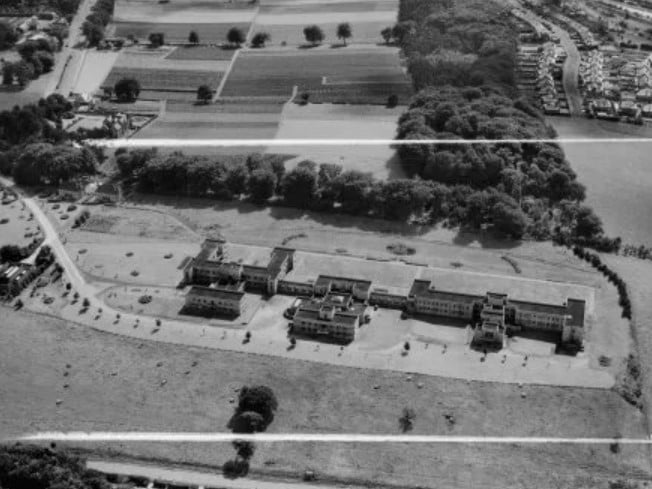
7. Canniesburn Hospital
Currently in use as a care home / residential development, Canniesburn Hospital was established in 1938 and quickly established its plastic surgery unit as one of international acclaim in 1968. It closed in 2003. | Contributed
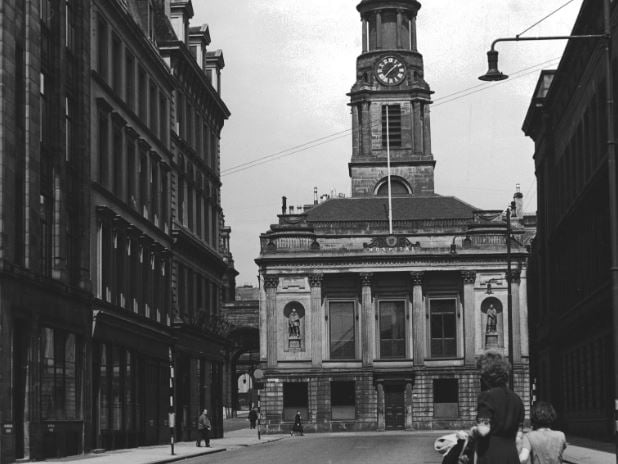
8. Hutchesons' Hall
Hutchesons' Hall, or Hospital, on Ingram Street, looking north along Hutcheson Street, 1955. The original Hutchesons' Hospital was demolished in 1795 to make way for the laying out of Hutcheson Street. The building depicted here was designed by David Hamilton and completed in 1805 at the head of the new street. The distinctive octagonal spire is adorned with a clock and dial plate and stands 150 feet tall. | Glasgow City Archives