
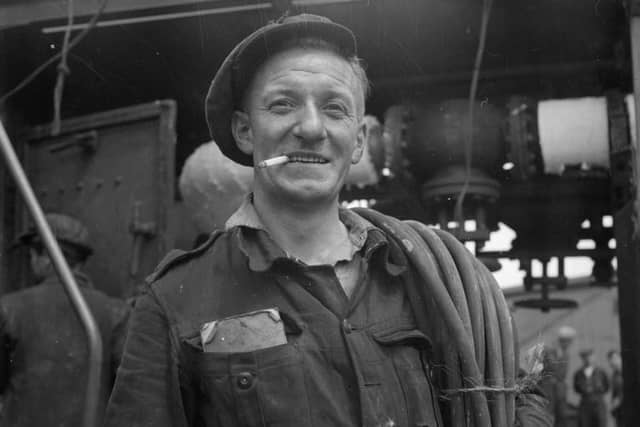


The Second World War was a desperate time for folks living in Glasgow, and for one of the most industrial cities in the UK producing munitions and a bulk of Britain’s navy through shipbuilding on the Clyde, it was an incredibly difficult time for Glaswegians.
Boys, many women, older folks, and people with health issues amongst others were left to manage the home-front while men of fighting age were taken to the frontline. Factories made munitions and other provisions for the war effort while the shipyards were working overtime during the war to build and repair ships.
Hundreds of bombs and tens of thousands of incendiary devices were dropped over Glasgow during the Second World War, and with a 10% failure rate, many of these bombs still lie inactive below Glasgow, waiting to be dug up to this day .
During World War 2, there were more than 500 German air raids on Scotland, dropping thousands of tonnes of incendiary and explosive bombs, many of which remain unexploded and inactive across the country.
The attacks ranged from single aircraft hit-and-runs on rural towns like Campbeltown, and mass bombing of the Clydeside by 240 planes - Glasgow was particularly targeted in the early years of the war.
During the air raids in Scotland, 2500 people died and 8000 were injured. The largest air raids in Scotland were directed against Clydebank in the spring of 1941.
A fake Glasgow was eventually constructed as a decoy at the foot of the Campsie Glens - complete with a fake railway, fake buildings, and other diversionary tactics like fires and explosions.
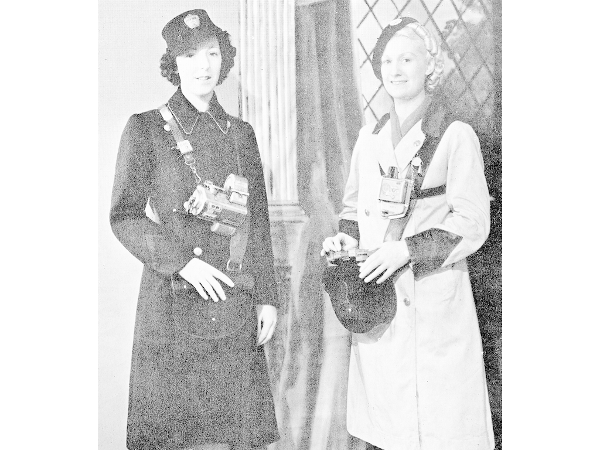
5. Conductresses (1939)
Conductresses during the Second World War, female conductors became a thing in Glasgow during the First World War, and were one of few traditional male-dominated industries which retained a female staff post-war. | Virtual Mitchell
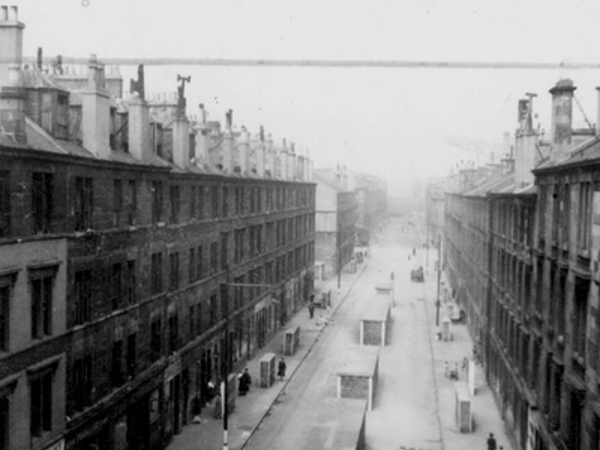
6. Glasgow Street Scene (1944)
Glasgow street scene, with some evidence of air raid precautions in the centre of the street | Virtual Mitchell
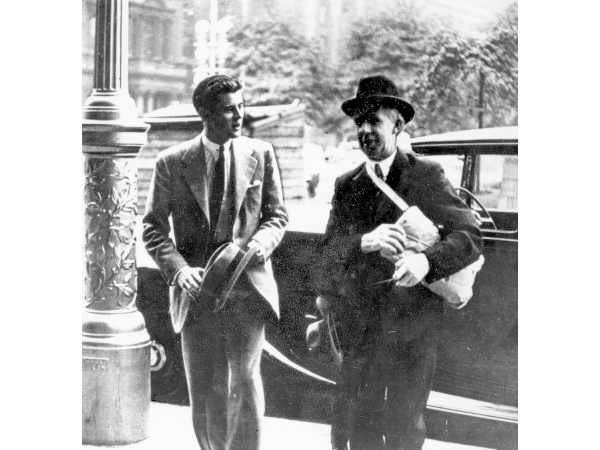
7. JFK (1939)
Sir Patrick Dollan, Lord Provost of Glasgow, with John F Kennedy, son of the US ambassador in London, visiting the City Chambers | Virtual Mitchell
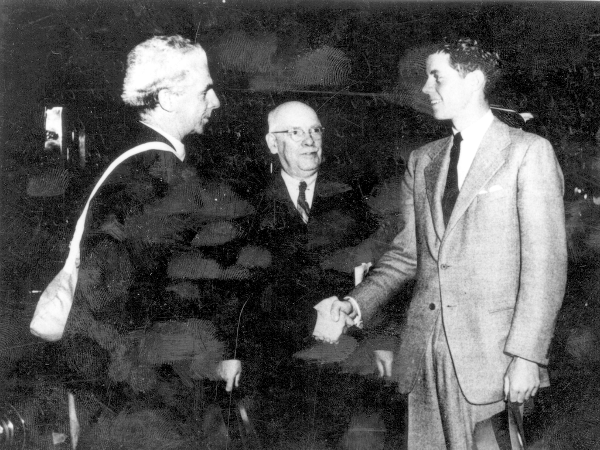
8. JFK in Glasgow (1939)
John F Kennedy, son of the US ambassador in London, in Glasgow to interview American survivors of the Athenia - a Govan-built ship that was sunk by a U-boat hours after Britain declared war on Germany. | Virtual Mitchell