
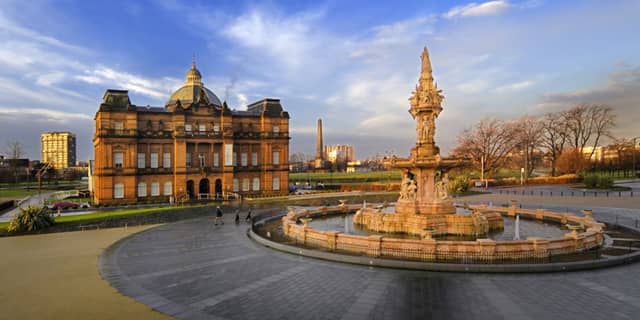


Glasgow is an incredibly gothic city - and we’re not just talking about Cathouse - the very foundations of Glasgow were built around Glasgow Cathedral, the most Gothic building in the city.
Very few architectural styles or buildings in Scotland are more striking than Glasgow’s Gothic masterpieces. The awe-inspiring craftsmanship and dramatic beauty of Glasgow’s gothic building is truly something.
This article embarks on a journey through Glasgow’s Gothic architecture, delving into the origins and influences of this captivating style while unraveling the city’s historical connection to the Gothic Revival movement.
Gothic architecture flourished during the medieval period, but in the 19th century, a rekindled interest in this style led to the Gothic Revival movement, which swept across Europe, leaving an indelible mark on Glasgow’s urban landscape.
Glasgow is so gothic in fact that the wet and moody streets are often used to fill in for the fictional city Gotham in Batman media - seen most recently in the new Robert Pattison Batman film, and sadly never seen in the cancelled, unreleased Batgirl.
Through the lens of art, history, and cultural significance, we will unearth the stories behind iconic structures such as Glasgow Cathedral and the University of Glasgow, shedding light on how the Gothic Revival movement breathed new life into this ancient architectural style and continues to enchant visitors to this day.
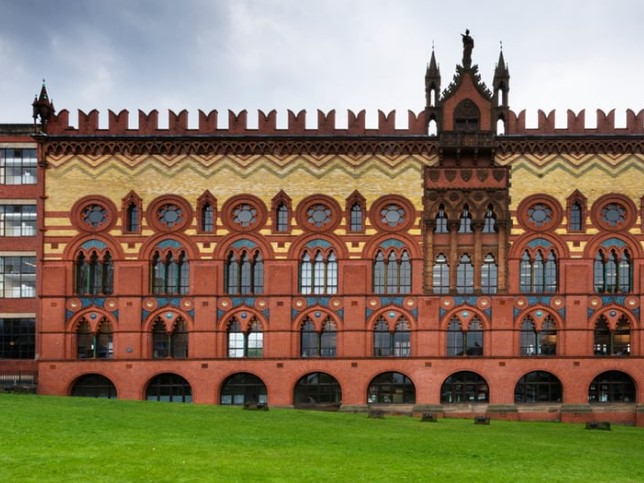
5. Templeton’s Carpet Factory (1892)
Templeton’s Carpet Factory (or Templeton on the Green as it is now known) was a purpose-built carpet factory which looks incredibly different to the industrial estate carpet factory’s we have today.It was meant to display opulence, which was a tricky thing to get right in reserved Victorian Society who preferred the imposing majesty of Gothic Revival architecture. After repeated design proposals had been rejected by the Glasgow Corporation, Templeton hired the famous architect William Leiper to produce a design that would be so grand it could not possibly be rejected, so William Leiper modelled the building on the Doge’s Palace in Venice, which was constructed in the alternative Venetian Gothic style. | Contributed
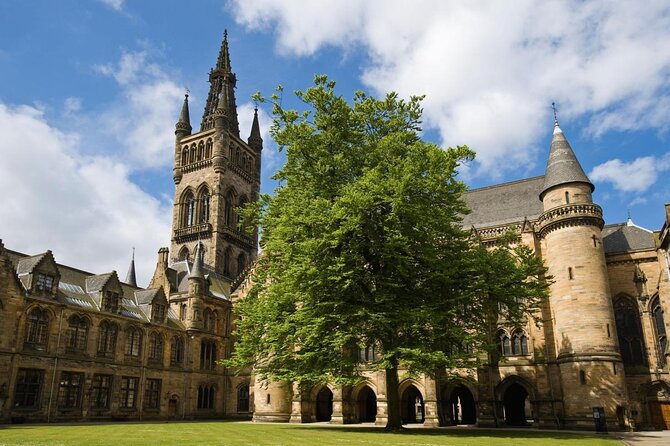
6. The Hunterian Museum (1807)
The Hunterian is the oldest museum in Scotland. It was designed in a neo-gothic style and served the compliment the designs of the University of Glasgow. | Contributed
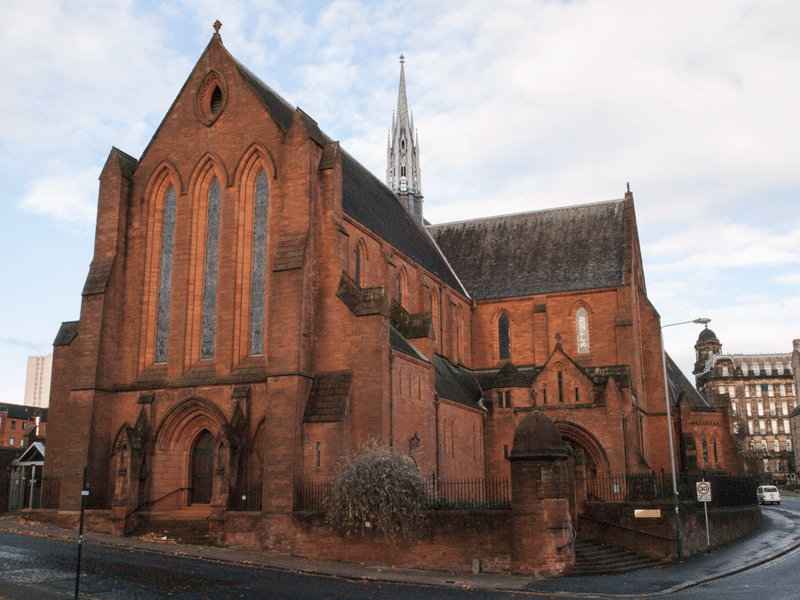
7. Barony Hall (1799)
The Barony Hall, previously known as Barony Church, is a red sandstone Victorian neo-Gothic-style building on Castle Street in Townhead. It is one of the few buildings in the area that survived the slum clearances of the 1950s and 1960s. | Contributed
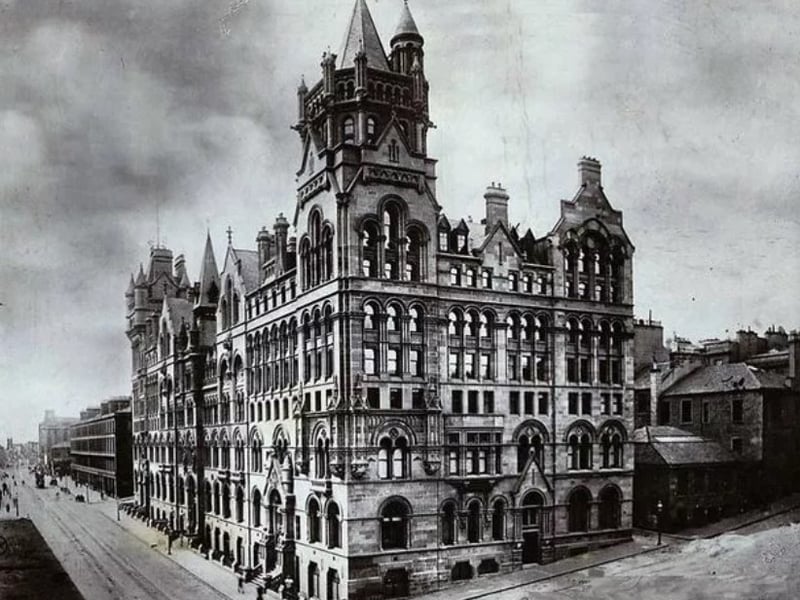
8. The Christian Institute
Long-since demolished - The Christian Institute was one of the best examples of Gothic architecture in Glasgow City Centre. It occupied a full city block on Bothwell Street in the city centre. It opened in 1880 and cost around £13.34m adjusted for inflation. | Contributed