
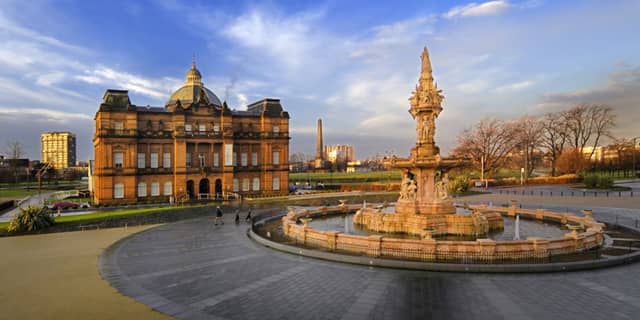


Glasgow is an incredibly gothic city - and we’re not just talking about Cathouse - the very foundations of Glasgow were built around Glasgow Cathedral, the most Gothic building in the city.
Very few architectural styles or buildings in Scotland are more striking than Glasgow’s Gothic masterpieces. The awe-inspiring craftsmanship and dramatic beauty of Glasgow’s gothic building is truly something.
This article embarks on a journey through Glasgow’s Gothic architecture, delving into the origins and influences of this captivating style while unraveling the city’s historical connection to the Gothic Revival movement.
Gothic architecture flourished during the medieval period, but in the 19th century, a rekindled interest in this style led to the Gothic Revival movement, which swept across Europe, leaving an indelible mark on Glasgow’s urban landscape.
Glasgow is so gothic in fact that the wet and moody streets are often used to fill in for the fictional city Gotham in Batman media - seen most recently in the new Robert Pattison Batman film, and sadly never seen in the cancelled, unreleased Batgirl.
Through the lens of art, history, and cultural significance, we will unearth the stories behind iconic structures such as Glasgow Cathedral and the University of Glasgow, shedding light on how the Gothic Revival movement breathed new life into this ancient architectural style and continues to enchant visitors to this day.
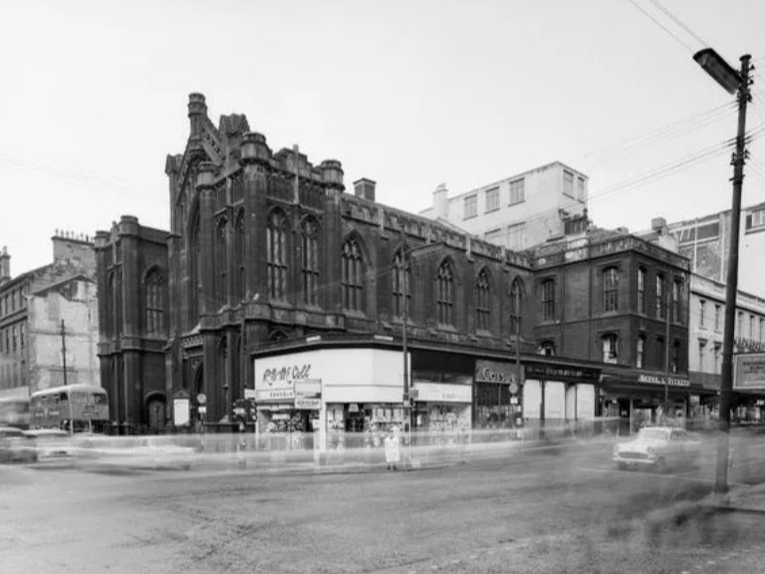
9. Renfield Street Church
Sitting where the now derelict BHS sits on the corner Sauchiehall Street and Renfield Street. It was a Gothic Church built in 1848 and demolished in 1965. | Contributed
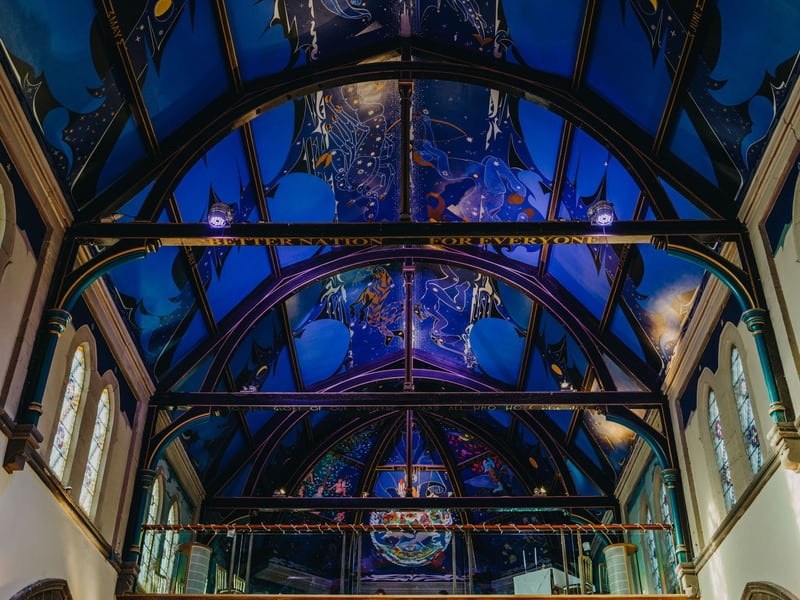
10. Òran Mór
The Òran Mór saw it's first foundation stone was laid on September 4, 1862. Originally a Church of Scotland place of worship, it was built in the Neo-Gothic style on designs by J. J. Stevenson. The spire was built in an Italian Gothic Pyramid style - a unique architectural trait rarely seen in Glasgow. | Òran Mór
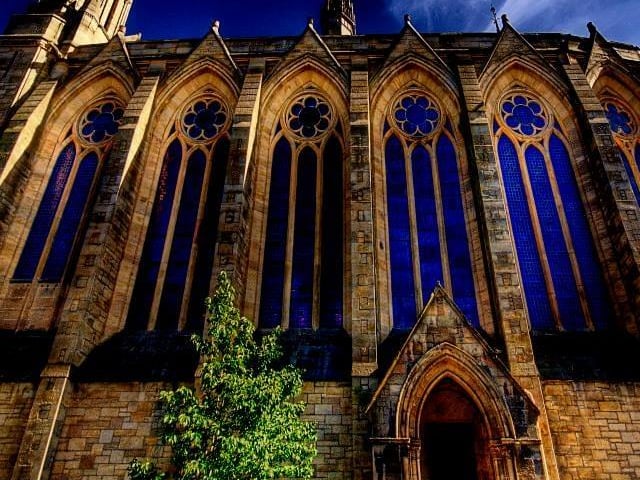
11. Hillhead Parish Church
Hillhead Parish Church is a category-A listed building, was designed by architect James Sellars and opened to the congregation in 1876. It's modelled on the Sainte-Chapelle in Paris. The nine windows with stained glass panels in the main body of the church include a window by Victorian artist Sir Edward Burne-Jones and the most recent Te Deum Laudamus window by Sadie McLellan installed in 1958. | Contributed
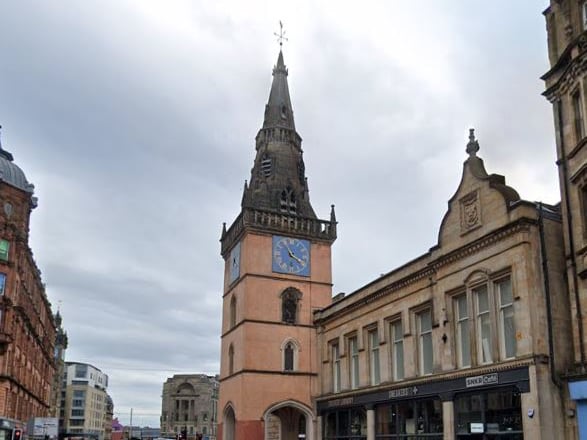
12. Tolbooth Steeple
The Tron steeple wasn't always attached to a theatre. Originally it was part of a late medieval place of worship called the Church of St Mary and St Anne - which was destroyed by fire in 1793. If you think it stands out from the rest of the buildings on the Trongate you'd be correct - it's built in the gothic style, which is pretty recognisable if you look closely at the peak of the steeple. | Contributed