
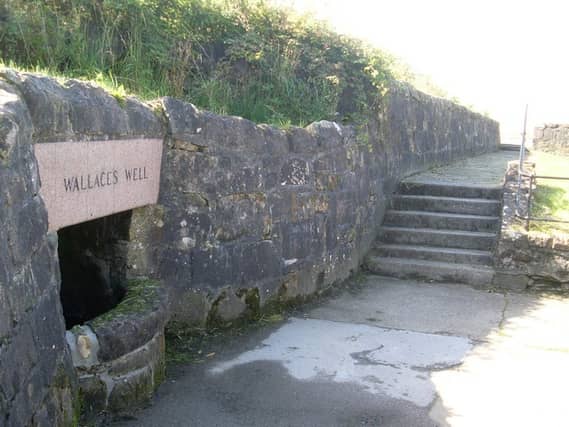


William Wallace time in and around Glasgow - a lot more than you might expect - before he was executed in 1305 for his part in the First War of Scottish Independence.
Glasgow very nearly had it’s own towering Wallace monument, one that could have rivaled the monolithic tribute at Stirling. In 1819 an architect called William Reid designed a ‘Triumphal Arch’ which was set to be erected along the banks of the Clyde at the foot of Stockwell Street. It would have included a statue similar to the Duke of Wellington statue at GOMA with Wallace atop a horse. The project never came to fruition.
Of course the story of the Scottish leader, renowned worldwide, has been told so many times that many of the facts have become muddled in mythmaking - history is written by the victors.
We can however confirm places he went, battles he fought, and some of the high-profile friends and enemies he made. Along the way, a lot of the William Wallace story was influenced by Glasgow. Of course back then Glasgow was a very different place: it was pretty much just a castle, some old streets, and a cathedral - so William wasn’t getting the ales in at The Scotia in between battles, as epic as that would be. He did end up getting huckled in Robroyston though.
Take a look below to peruse some of the known, and rumoured, connections that William Wallace had to Glasgow and the surrounding area.
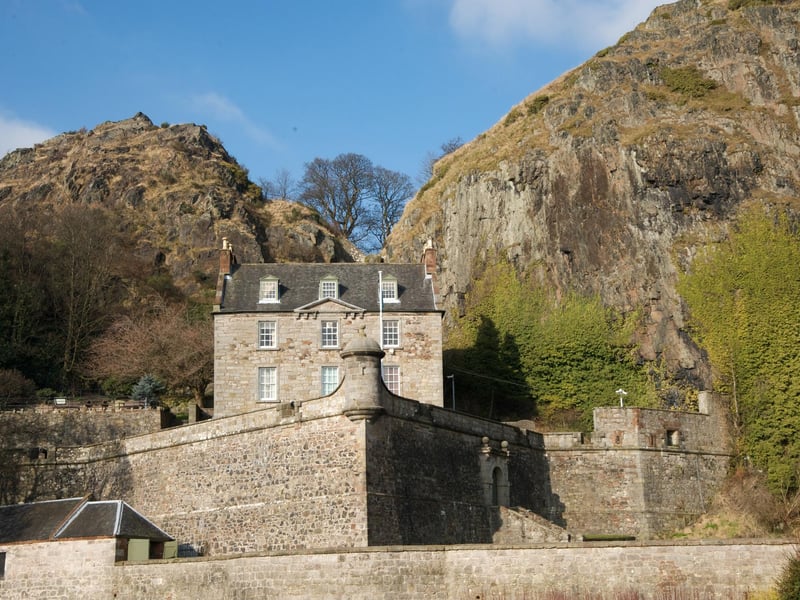
5. Dumbarton Castle
Dumbarton Castle on Castle Rock in Dumbarton was where William Wallace was taken after his capture to await collection by the King of England, Edward Longshanks. Photo: sdf
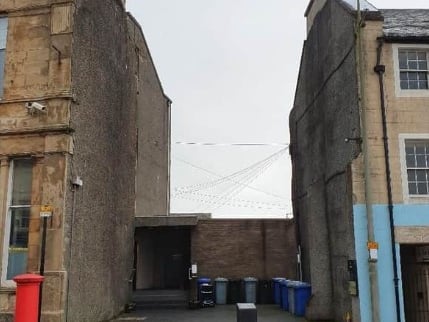
6. Wallace’s House
Over in Lanark there’s rumours that William Wallace had a home in the ancient town - although most modern historians believe this to be a myth. While the uprising did begin in Lanark, it was most likely due to the amount of sheep farmers coming to market in the town - and Wallace capitalising on discontent amongst shepherds and sheep keepers who were annoyed with the King of England for imposing a new tax on wool. | Contributed
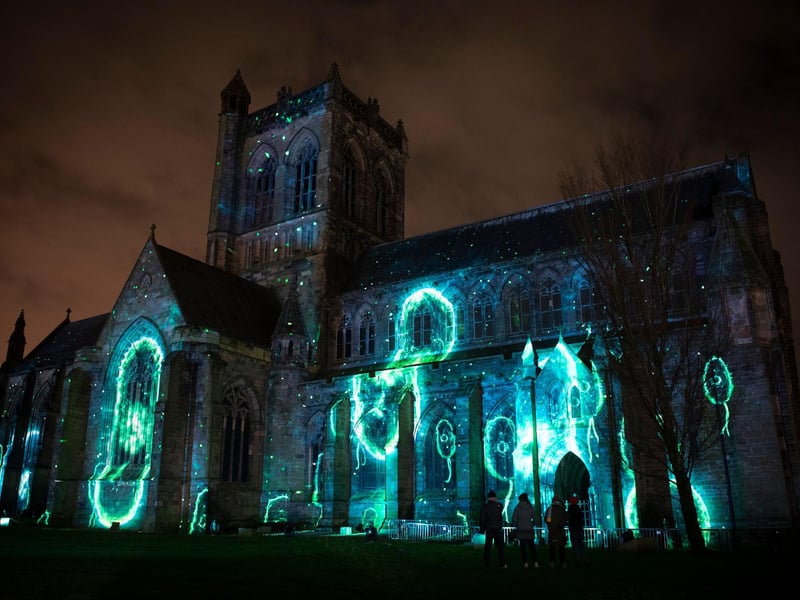
7. Paisley Abbey
According to Blind Harry’s biographical account of William Wallace’s life - the knight was educated by the monks of Paisley Abbey. Whether this is true or not is unclear, but as the second son of a minor noble, Wallace may have been expected to become a priest. A stained glass window depicting William Wallace stands in the southern aisle of Paisley Abbey. Photo: Lesley Martin

8. Elderslie
So - was William Wallace from Paisley? Close-by - if Blind Harry is to be believed, Wallace’s father was Sir Malcolm of Elderslie - and William Wallace was known as the Knight of Elderslie - although this could have been a post-humous title. | Contributed