
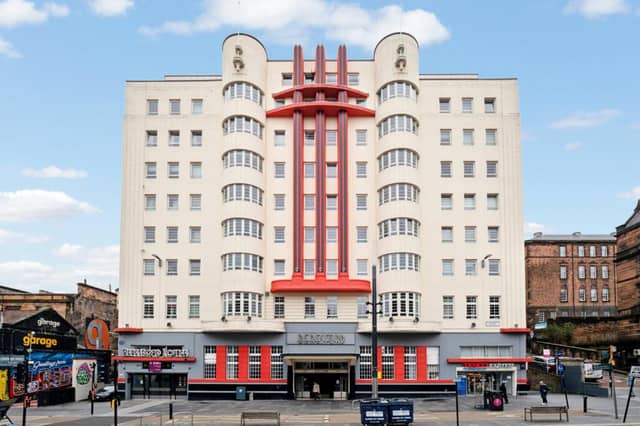


The scene: Glasgow, the setting: the 1930’s - it’s a brave new world out there folks, a sleek new age full of hope following the ghastly start of the 20th century.
After getting a great world war out of the way (thank goodness that’ll never happen again), and a horrific worldwide stock crash that caused a lasting economic depression (glad we sorted that out once and for all) - it’s the 30’s, an optimistic new era - it’s boomtime baby, and this is reflected no better than in the architecture of Glasgow at the time.
A hopeful new outlook and hopes for a happy new life required a few things - primarily new public spaces like cafe’s, hotels, and cinemas - places where people could spend money, that for once a lot of people in Glasgow had in spare supply.
Architects in Glasgow (and Scotland as a whole) were watching the rapid upscaling of New York - as the lowly port city shot into space with the introduction of skyscrapers and a booming economy post-war.
American consumerism wasn’t long on the horizon, while in Britain we had feudalism and mercantilism down to a T - we never picked up capitalism quite as quickly as our little cousin across the Atlantic managed to.
Advertising, Marketing, and an emerging new middle class - all products of a society ready to be ravaged by the new concept of consumerism.
It first came to Glasgow (and Scotland as a whole) in Bellahouston Park - where the Empire Exhibition was held in 1938. The incredible Tait Tower enthralled millions who came to see the exhibition, it truly was an awe-inspiring site - and despite it being torn down shortly after the exhibition, it’s lasting legacy inspired many architects to follow the principles of Art-Deco design.
Professor McKean, professor of Scottish architectural history at Dundee University, said it was important to recognise the impact of art deco architecture, particularly in those cities still inextricably linked to Victorian times.
McKean told The Scotsman back in 2010:“In a city like Glasgow, it was a huge change. The Art-Deco buildings shook up the architecture of industrial Scotland. Suddenly, you had these sleek buildings, that were shiny, or brilliant white, or with dazzling chrome fascias, appearing in soot black streets.”
After a second world war, the people of Britain became a bit embittered with the idea - beginning to favour more practical architecture like brutalism (for a very brief period) and seeing art-deco as embarrassing relics of a time where they believed that better things were actually on the way, you could call that theory conjecture however.
Whether it was as deep as that or people just found them a bit old-fashioned and naff, Art-Deco buildings didn’t get much love either way - and for the most part were demolished or left to decay, as is the case with many of the Art-Deco icons still standing around Glasgow.
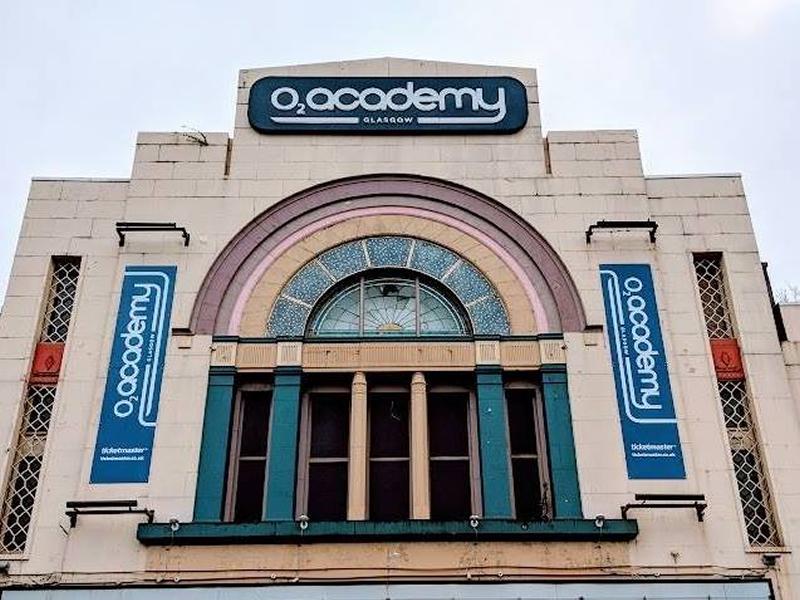
5. New Bedford Cinema (O2 Academy)
Out of all the buildings on this list, this is the only building that’s publicly accessible and actually used for purpose, not for housing. Most of the time when you’re approaching the O2 Academy you’re too buzzing to see whatever band or artist is playing the venue to actually notice the building itself. The New Bedford Cinema screened its final film, a double bill of Dirty Harry and Klute, on 8 July 1973 and reopened on 12 October 1973 as a Mecca bingo hall. It was designated as a category B listed building on 17 June 1986 by Historic Scotland. The building was bought by the McKenzie Group in November 2002 and underwent a massive £3 million restoration to be turned into the Carling Academy, Glasgow which opened on 26 March 2003 with a concert by Deacon Blue. The building was renamed in 2008 and is now known as the O2 Academy Glasgow. | Contributed
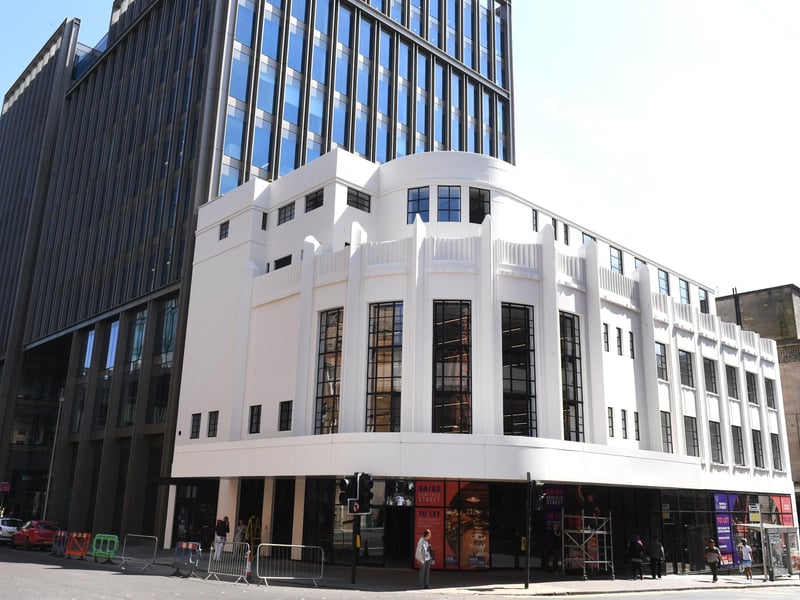
6. Odeon Cinema (Former)
Designed by Frank T Verity and Samuel Beverley in 1934, the cinema arrived as part of US-based Paramount's plan to open very large and lavish cinemas in city centres across Britain. In Glasgow, a centralised vacuum cleaning system ensured that carpets remained pristine. Meanwhile, 200 staff were employed with deportment training and stylish uniforms creating an Americanised illusion of high living. Photo: John Devlin
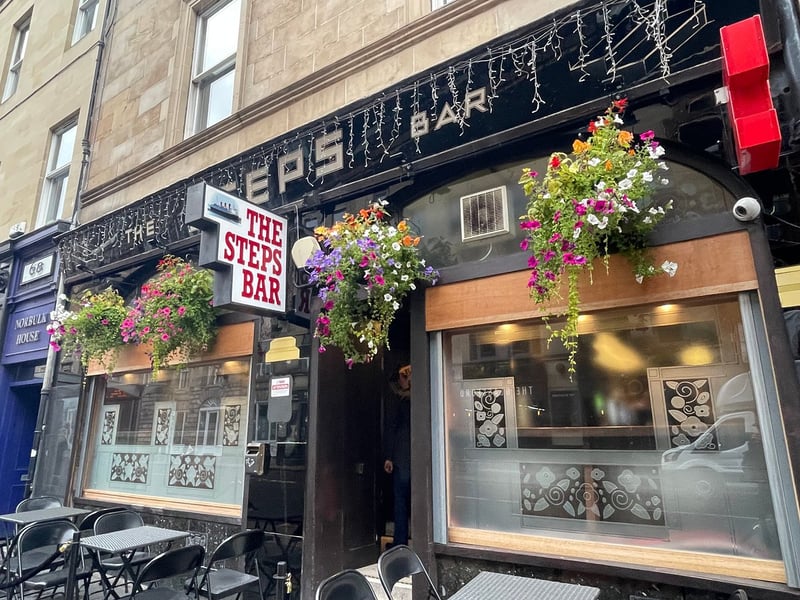
7. The Steps Bar
The Steps Bar in the Merchant City is a great place for fans of both pints and art-deco architecture - as oft do those two groups intersect - as the interior has barely been updated since it was retrofitted in 1938. | Supplied
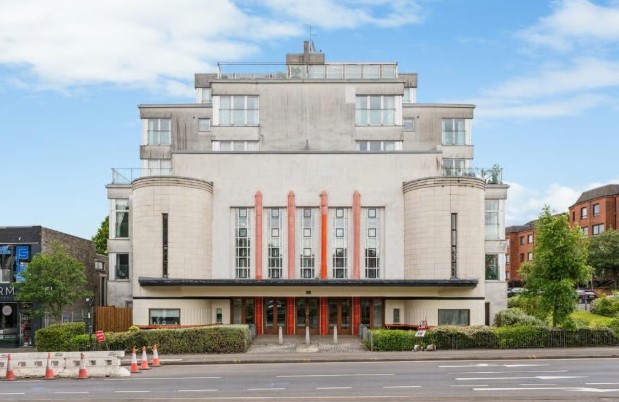
8. Ascot Cinema (Former)
The Ascot at Anniesland was one of the most popular cinemas in Glasgow in it’s day. It was the last big suburban cinema to be built in Glasgow and was still under construction when WW2 broke out in 1939. After it was a cinema, it was a bingo hall, before most of the building was demolished for housing, the façade remains however. | Rightmove