
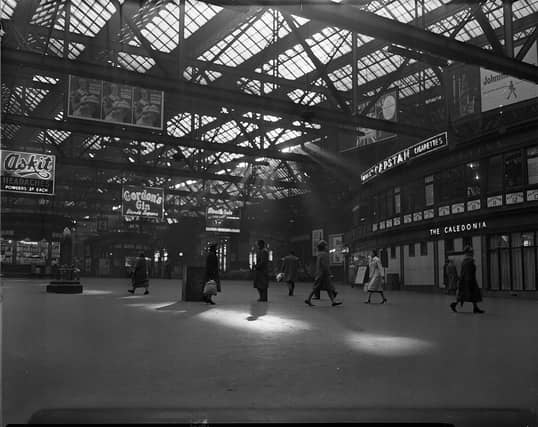


The Post-war years saw Glasgow become one of the most densely populated cities in the world as it reached a population of 1.089 million.
Rationing still remained in effect after the Second World War right up until 1954 with meat being the final item to be derationed. Housing started to rapidly change with some Glaswegian’s moving into the first “skyscrappers” in the city at Moss Heights in 1953 with The Housing (Repairs and Rents) Act being passed the following year which forced local authorities to draw up plans for slum clearances.
One of the highlights of the decade still has a lasting legacy in the city to this do as Dr Tom Honeyman took the brave decision to purchase Salvador Dali’s painting ‘Christ of St John of the Cross’ in 1952 for Glasgow. It was meant with much controvery but remains a standout in the city’s museum collection which has been viewed by millions of visitors for almost 70 years.
Take a look back at Glasgow during the 1950s and have a trip down memory lane.
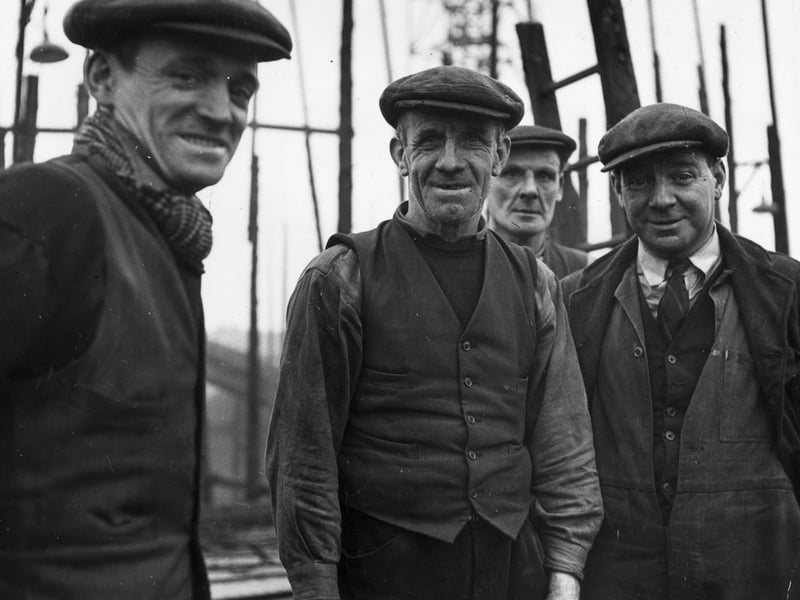
9. Shipyards 1955
Four workers from the Harland & Wolff Shipyard on Clydeside near Glasgow. | Getty Images
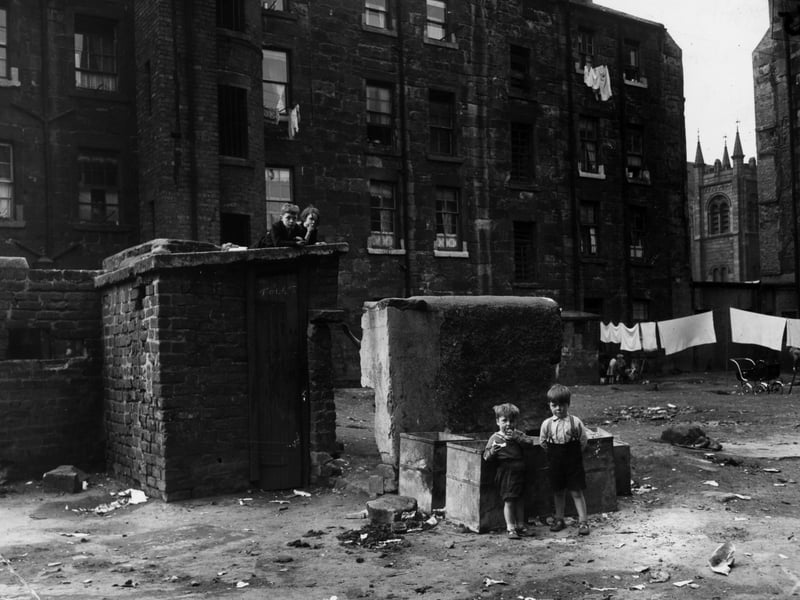
10. Gorbals 1956
Children playing in a Glasgow slum which is to be demolished. The small building is a lavatory which is shared by eight families. Redevelopment of the area began in the late 1950s and the tenements were replaced with a modern tower block complex in the sixties. | Getty Images
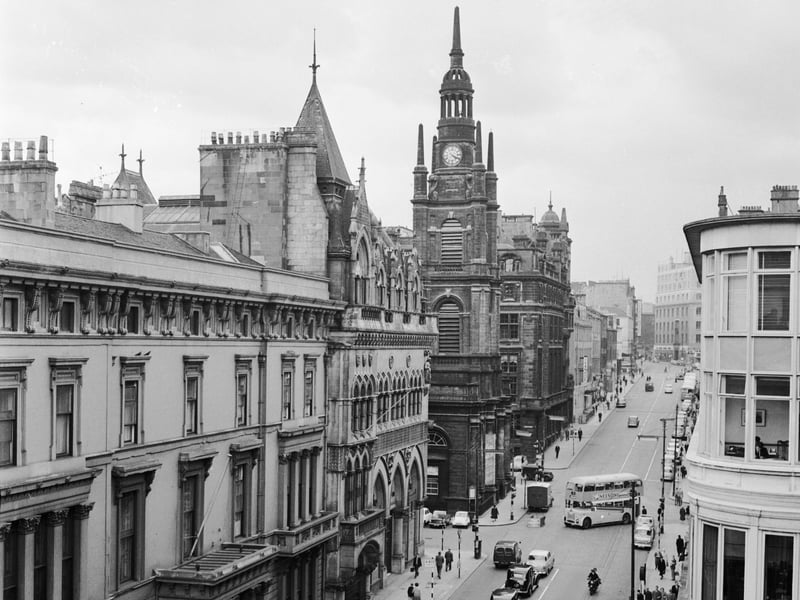
11. Buchanan Street circa 1956
The church of St George’s Tron in Buchanan Street, in the heart of Glasgow. | Getty Images
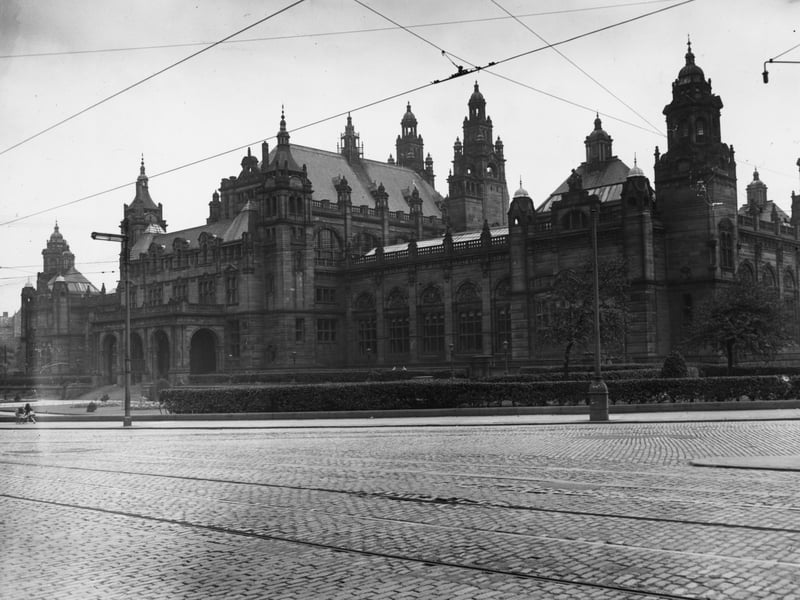
12. Kelvingrove Art Gallery and Museum 1956
The Kelvingrove Art Gallery and Museum in Glasgow. The museum, opened in 1902, was built with money raised by the 1888 International Exhibition. | Getty Images