

In the third part of our series exploring Glasgow’s connection with the Gaelic language through place names, we take another look at the city and some of its well known locations which includes to very well known locations connected to public transport.
Research has found that the ancient language has been spoken in the city for a millenium with it making up an important part of Glasgow’s fibre and being an important historical source.
The following is taken from the forthcoming book Glasgow’s Gaelic Place-Names by Dr Alasdair C. Whyte, with Professor Katherine Forsyth and Dr Simon Taylor, set to be published by Birlinn Origin in September/October 2023.
Dr Alasdair C. Whyte is a writer/singer/performer from Muile~Mull. He currently holds a Research Fellowship in Name Studies at the University of Glasgow. He was named Scottish Government Gaelic Ambassador of the Year at the National Mòd in Glasgow in 2019 and was recently named on The Saltire Society’s inaugural ‘40 Under 40’ list.
His first book, Maim-slè, a book of new writing in Gaelic and English about language shift, sustainability and identity, was published in 2021 and shortlisted for the Donald Meek Award for Best Non-Fiction Book at the 2022 Gaelic Literature Awards.
From Carnwadric to Daldowie, here’s the next ten place names in and around Glasgow in our series.
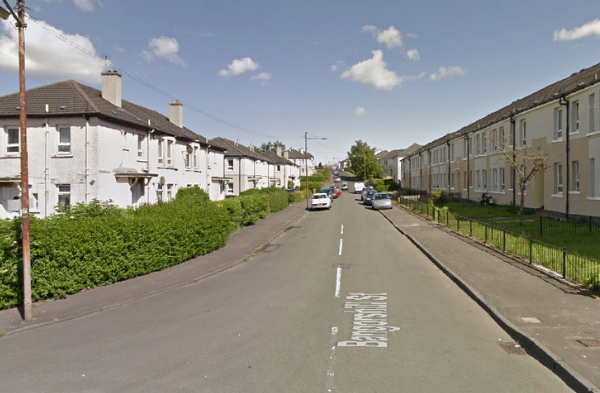
1. Carnwadric
Recorded as Carnwedry in 1296. Possibly from Gaelic Càrn Bhodaraig meaning ‘Bodarag’s cairn’. Bodarag is a Gaelic form of the personal name Boderic which is rare but is probably also found in the name Botherickfield (a farm near Houston in Renfrewshire). | Google Maps
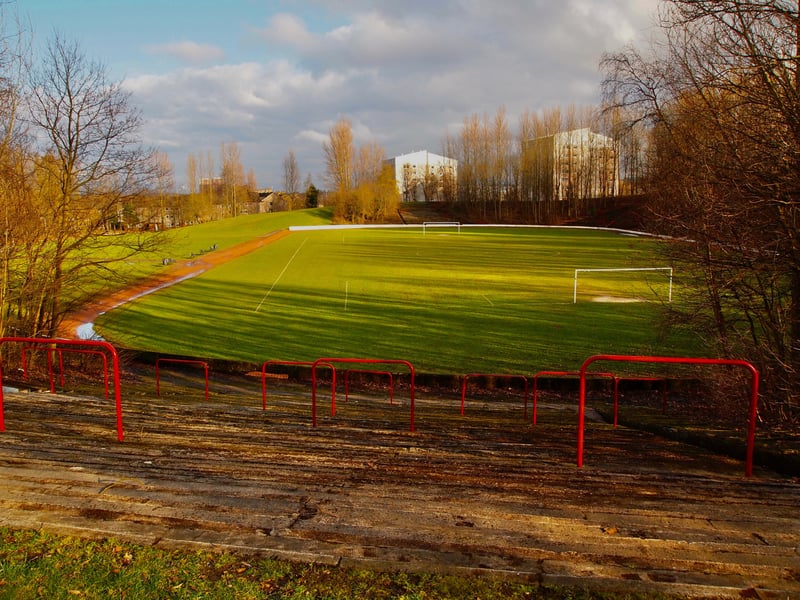
2. Cathkin
Recorded as Carth Kin in 1596 and Caskin in 1755. From Gaelic coitcheann meaning ‘common grazing’. | via WikiCommons
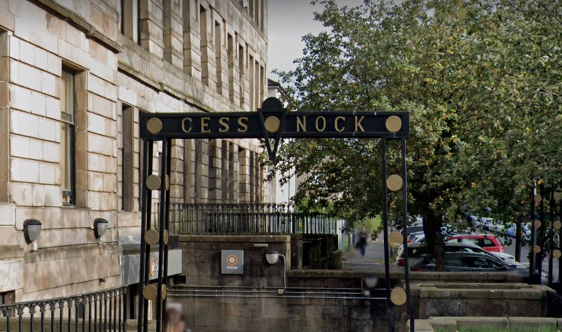
3. Cessnock
Cessnock is best known as an underground station in Glasgow. The Gaelic word at the heart of this name is seasgan which refers to sedge or rushes (grass-like plants which typically grow in wet ground). The same Gaelic word gives us Cessnock in Fife, Cessnock in Ayrshire and Shiskine in Arran. | Google Maps
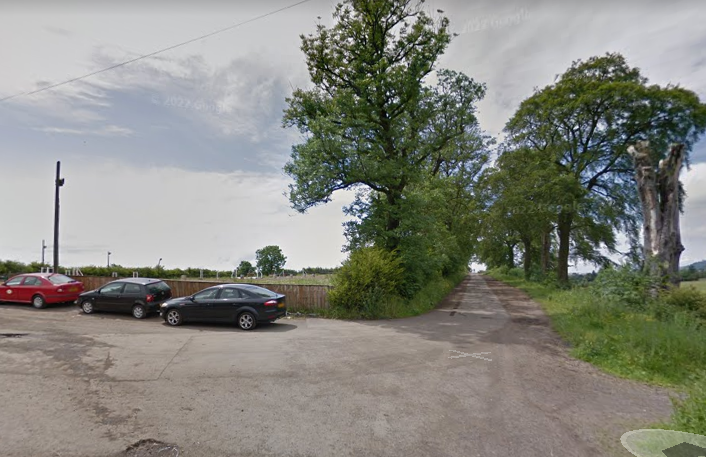
4. Cleddans
The name of a farm near Drumchapel. Recorded as Cleyden in 1755. The underlying Gaelic name is Cladhan meaning ‘ditch-place’. The said ditch is the huge ditch-and-bank earthwork of Antonine Wall. | Google Maps