

In the third part of our series exploring Glasgow’s connection with the Gaelic language through place names, we take another look at the city and some of its well known locations which includes to very well known locations connected to public transport.
Research has found that the ancient language has been spoken in the city for a millenium with it making up an important part of Glasgow’s fibre and being an important historical source.
The following is taken from the forthcoming book Glasgow’s Gaelic Place-Names by Dr Alasdair C. Whyte, with Professor Katherine Forsyth and Dr Simon Taylor, set to be published by Birlinn Origin in September/October 2023.
Dr Alasdair C. Whyte is a writer/singer/performer from Muile~Mull. He currently holds a Research Fellowship in Name Studies at the University of Glasgow. He was named Scottish Government Gaelic Ambassador of the Year at the National Mòd in Glasgow in 2019 and was recently named on The Saltire Society’s inaugural ‘40 Under 40’ list.
His first book, Maim-slè, a book of new writing in Gaelic and English about language shift, sustainability and identity, was published in 2021 and shortlisted for the Donald Meek Award for Best Non-Fiction Book at the 2022 Gaelic Literature Awards.
From Carnwadric to Daldowie, here’s the next ten place names in and around Glasgow in our series.
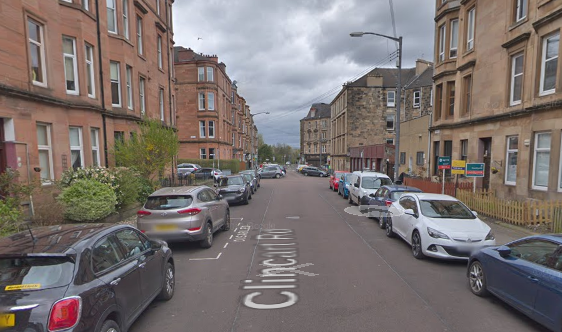
5. Clincart
Recorded as Clinkart in 1755. From Gaelic Claon Cairt meaning ‘brae of the River Cart’. The old farm buildings, now demolished, had at one time been converted into the changing rooms of Lesser Hampden, home of Queen’s Park Football Club. | Google Maps
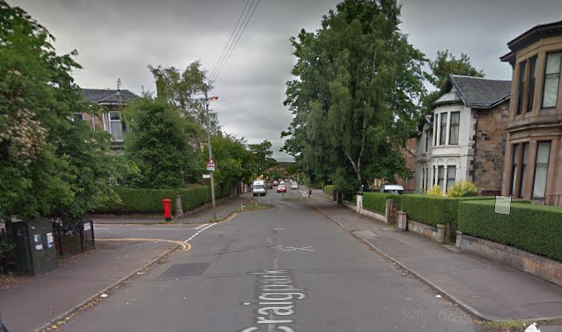
6. Craig
An old settlement which took its name from the crags to the east of Glasgow Cathedral. Recorded as Crag in 1186. From the Gaelic word creag meaning ‘a crag’. This old Gaelic name lies behind names in this part of Glasgow such as Westercraigs and Craigpark. | Googlemaps
7. Craigend
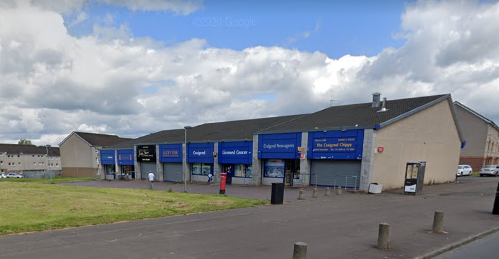
Found in the East End of the city, recorded as Cragane in 1565. From Gaelic Creagan meaning ‘wee crag’ or ‘crag-place’. Like so many of Glasgow’s Gaelic place-names, it was the name of a farm before the area was urbanised. | Google Maps

8. Crossmyloof
Everyone in Glasgow knows the famous Southside train station which was first recorded as Crossmyloof in 1795. Strongly associated with Mary, Queen of Scots and the Battle of Langside in lore but the name is in fact probably from Gaelic Crois MoLiubha meaning ‘cross or crossing of Saint MoLiubha’. This saint – or a saint of the same name – gives his name to places such as Kilmalieu near Inveraray and Kilmalieu in Morvern. | Scotrail