
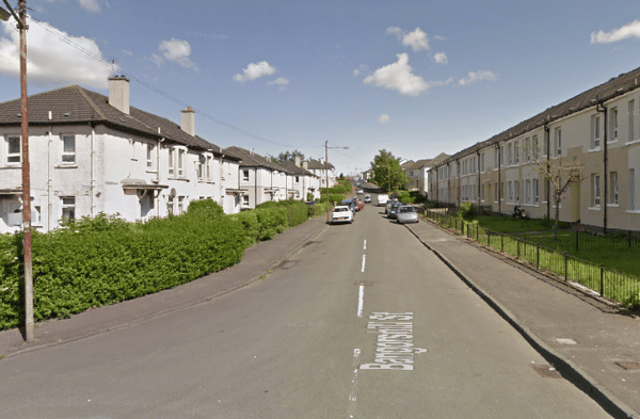


In the third part of our series exploring Glasgow’s connection with the Gaelic language through place names, we take another look at the city and some of its well known locations which includes to very well known locations connected to public transport.
Research has found that the ancient language has been spoken in the city for a millenium with it making up an important part of Glasgow’s fibre and being an important historical source.
The following is taken from the forthcoming book Glasgow’s Gaelic Place-Names by Dr Alasdair C. Whyte, with Professor Katherine Forsyth and Dr Simon Taylor, set to be published by Birlinn Origin in September/October 2023.
Dr Alasdair C. Whyte is a writer/singer/performer from Muile~Mull. He currently holds a Research Fellowship in Name Studies at the University of Glasgow. He was named Scottish Government Gaelic Ambassador of the Year at the National Mòd in Glasgow in 2019 and was recently named on The Saltire Society’s inaugural ‘40 Under 40’ list.
His first book, Maim-slè, a book of new writing in Gaelic and English about language shift, sustainability and identity, was published in 2021 and shortlisted for the Donald Meek Award for Best Non-Fiction Book at the 2022 Gaelic Literature Awards.
From Carnwadric to Daldowie, here’s the next ten place names in and around Glasgow in our series.
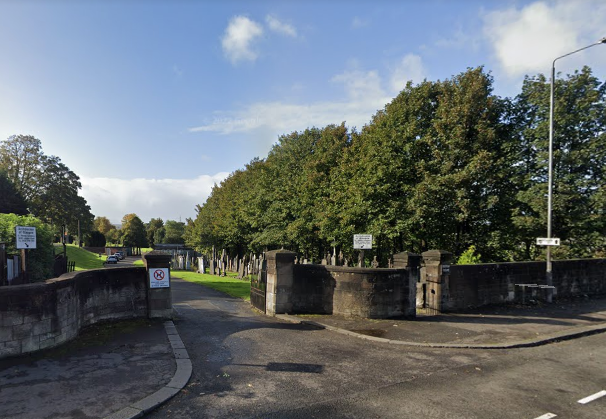
9. Daldowie
Recorded as Dalbeth in 1510. From Gaelic Dail Bheithe (or a related Northern Brittonic name) meaning ‘waterside meadow of birch’. | Google Maps
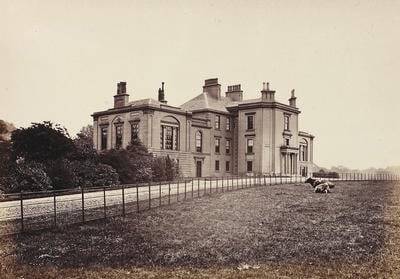
10. Daldowie House
The first part of this name is the Gaelic word dail (or a related Northern Brittonic word) meaning ‘a waterside meadow’ or ‘a haugh’. The second part of the name is less straightforward. It might well be Duibhe, a lost name for the burn whose name is now mapped as North Calder Water. It joins the Clyde here and was first recorded as Daldwe in 1518. | Glasgow University Library, Special Collections