
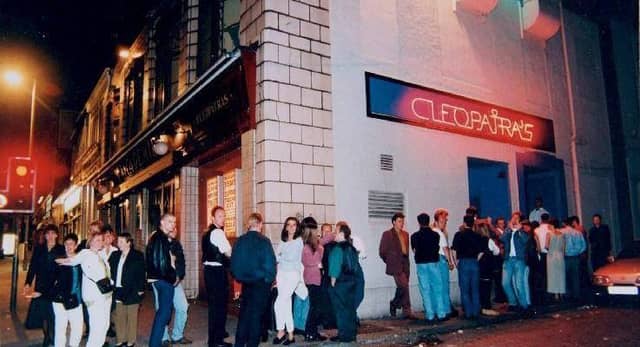

The 1980s was a decade like no other in Glasgow - from the new and trendy nightlife scene opening up, to the sub-cultures emegrging that have been a long-standing feature of Glasgow ever since.
As glamorous and glitzy as the decade was - it was also a time of great civil unrest for Glasgow, quite possibly it was the largest period of mass civil disobedience in the city since Red Clydeside in the early 20th century.
Industries were dying out across the UK, Thatcher came to power, and for many Glaswegians it felt like the final nail in the coffin for the city. Despite the anxiety, uncertainty, and righteous anger - there was certainly some good times as well, the burgeoning world of synth music influenced the Glasgow nightlife - with the cities first gay club opening at the start of the decade.
Protests, riots, and even Glaswegians openly fighting with police at picket lines was becoming more and more common throughout the decade as Glaswegians grew increasingly frustrated with the Conservative Governement of the time led by Margaret Thatcher.
The scene was set for the decade in its very first year - 1980, an eventful year to say the least. The Singer sewing machine factory at Clydebank was shut-down, and rioting began after the 1980 Scottish Cup Final - when a face-off between Celtic and Rangers at Hampden saw the Hoops walk away 1-0 up - resulting in a riot which led to alcohol bans at all sporting events in Scotland - to this day yous till can’t enjoy a beer at the football thanks to this incident.
At the same time, marginalised groups in the city began to come into their own - finding and creating their own spaces - women were permitted to drink at the University of Glasgow’s bar for the first time ever and Colin Barr opened Bennett’s, Glasgow’s first ever gay bar.
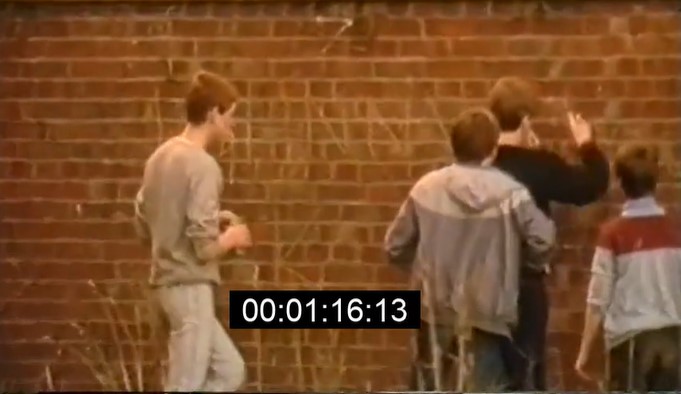
37. Council kids in the 1980s
A capture from some home-film from the KinoLibrary caches some young pals getting up to no good scrawling some graffiti on the back streets of a council estate in Glasgow | Kinolibrary
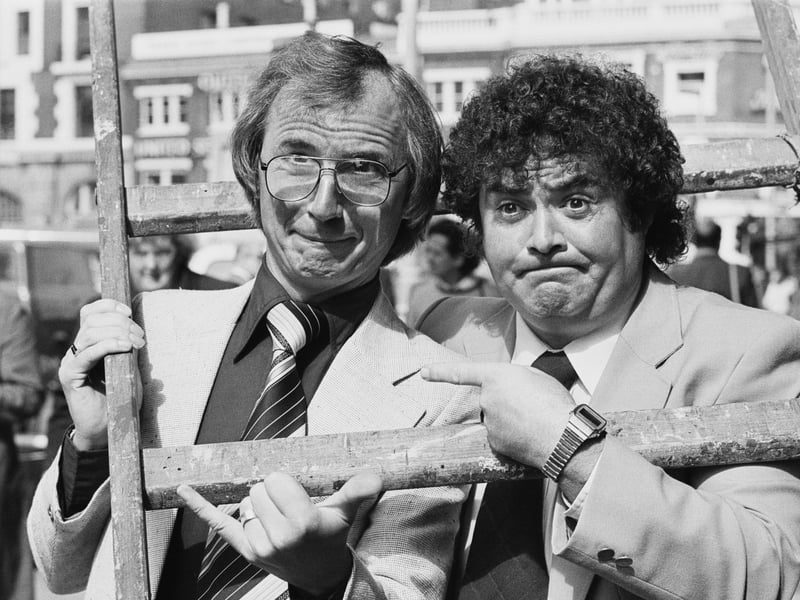
38. Eddie Large
Alongside funnyman Syd Little, Eddie Large made up one of Britain’s most beloved comedy duos throughout the 1970s and 1980s. Although born in Glasgow and raised in Manchester he later moved to Portishead which became his and his wife Patsy’s home until he passed in 2020. | Getty Images
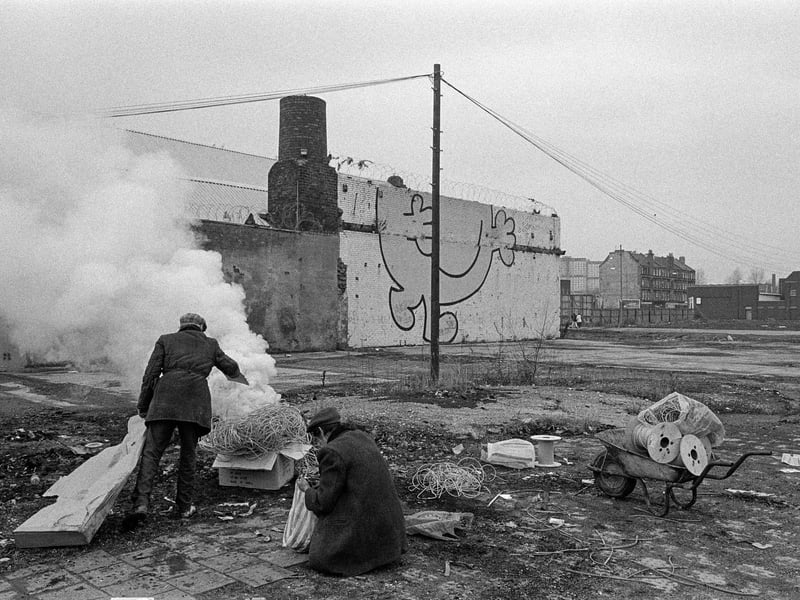
39. Mining for copper after the death of industry
Burning scrap wire in The Gorbals to retrieve the expensive copper within with ‘Glasgow’s Miles Better’ iconic logo on the wall behind. This was a profitable pass-time for many families affected by post-industrialisation in Glasgow, as they pilfered the graveyards of factories, shipyards, and other brownfield sites to sell on copper wiring and scrap. Photo: Jeremy Sutton Hibbert
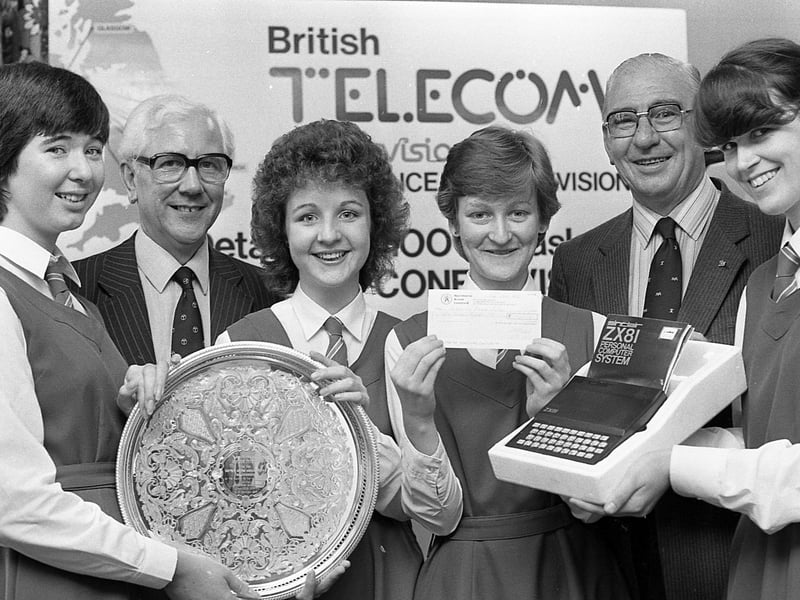
40. Management-Information Technology 1982 schools competition
Four Ballynahinch pupils beat off sixth form opposition in Manchester and impressed experts in Glasgow to win the British Institute of Management-Information Technology 1982 schools competition - without even leaving Northern Ireland. The Convent of the Assumption Grammar School, Ballynahinch team, Brenda Cavanagh, left, Carmel O’Reilly, Martina Dunlop and Ursula O’Neill are pictured receiving their prizes in September 1982 from Mr Brian Millar, second left, British Telecom planning services controller and Mr Archie McCulloch, chairman (Northern Ireland) British Institute of Management. British Telecom had setup a three-way telecommunications “miracle” to stage the United Kingdom finals of the schools competition. The transmission, from Churchill House, Belfast, inaugurated British Telecom’s Confravision system. Photo: News Letter archives