
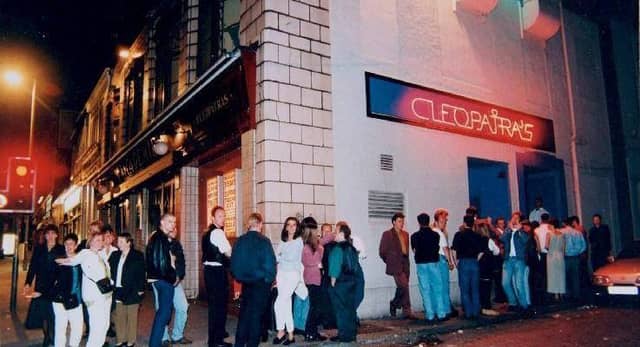


The 1980s was a decade like no other in Glasgow - from the new and trendy nightlife scene opening up, to the sub-cultures emegrging that have been a long-standing feature of Glasgow ever since.
As glamorous and glitzy as the decade was - it was also a time of great civil unrest for Glasgow, quite possibly it was the largest period of mass civil disobedience in the city since Red Clydeside in the early 20th century.
Industries were dying out across the UK, Thatcher came to power, and for many Glaswegians it felt like the final nail in the coffin for the city. Despite the anxiety, uncertainty, and righteous anger - there was certainly some good times as well, the burgeoning world of synth music influenced the Glasgow nightlife - with the cities first gay club opening at the start of the decade.
Protests, riots, and even Glaswegians openly fighting with police at picket lines was becoming more and more common throughout the decade as Glaswegians grew increasingly frustrated with the Conservative Governement of the time led by Margaret Thatcher.
The scene was set for the decade in its very first year - 1980, an eventful year to say the least. The Singer sewing machine factory at Clydebank was shut-down, and rioting began after the 1980 Scottish Cup Final - when a face-off between Celtic and Rangers at Hampden saw the Hoops walk away 1-0 up - resulting in a riot which led to alcohol bans at all sporting events in Scotland - to this day yous till can’t enjoy a beer at the football thanks to this incident.
At the same time, marginalised groups in the city began to come into their own - finding and creating their own spaces - women were permitted to drink at the University of Glasgow’s bar for the first time ever and Colin Barr opened Bennett’s, Glasgow’s first ever gay bar.
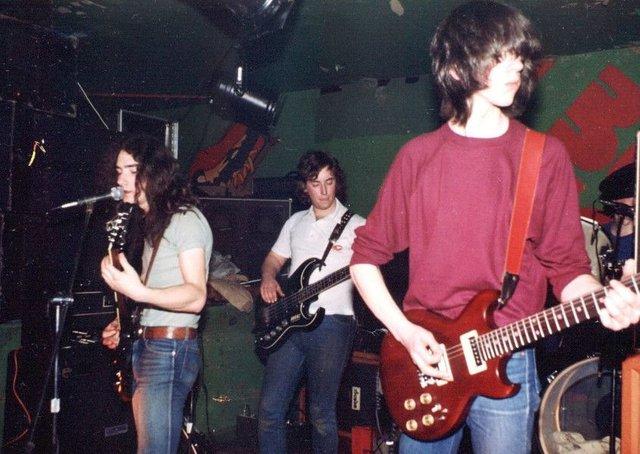
45. A lost Glasgow institution
The Burns Howf was probably, at one time, one of the best known live Rock venues in Glasgow. Situated on West Regent Street, the Burns Howf was the place to go for some of the best live music. Before Rufus T. Firefly and the Solid, the Burns Howf was the place to go to sate your rock needs; it is even said that Alex Harvey met his Sensational Band mates there. Sadly, the Burns Howf closed its doors for the last time in 1984, but its legend lives on; most Glaswegians of a certain age will have a story to tell about this hallowed venue. Photo: Kafuffle\wikimedia
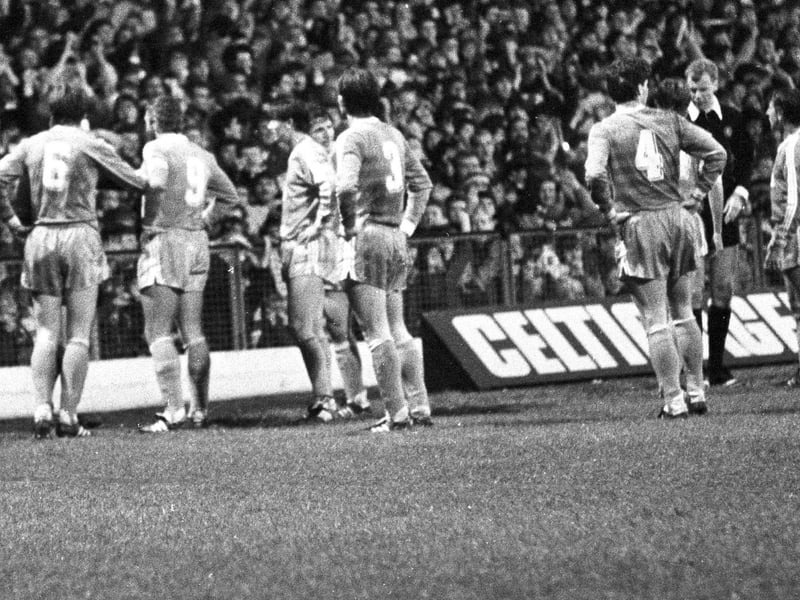
46. Celtic v Rapid Vienna 1984
The referee halts play as the ill-tempered second half between Celtic and Rapid Vienna in 1984 leads to a bottle being thrown onto the field. Celtic won 3-0 at Parkhead, but the hostility between teams and fans was akin to that of the Old Firm. Photo: SNS Group
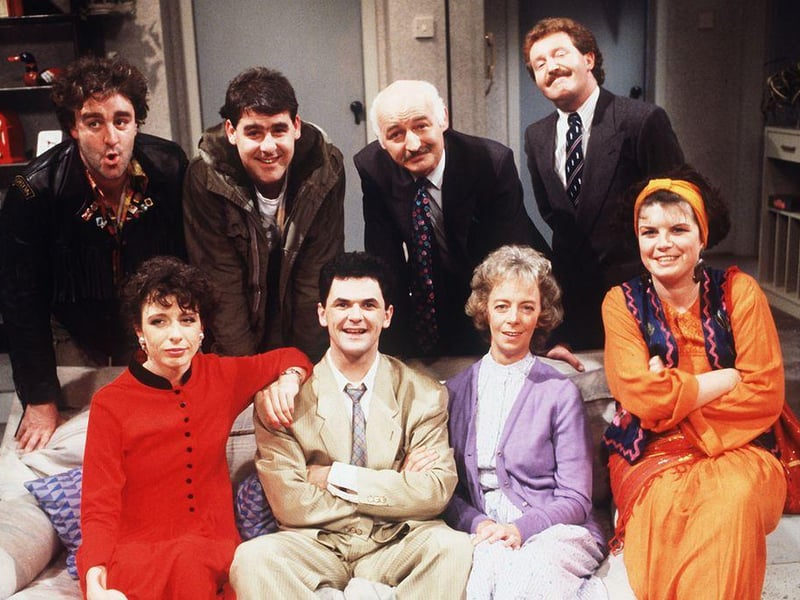
47. City Lights
Glaswegians of a certain generation will lovingly remember City Lights, a Glasgow-based sitcom which ran for six series between 1984-1991. Photo: BBC
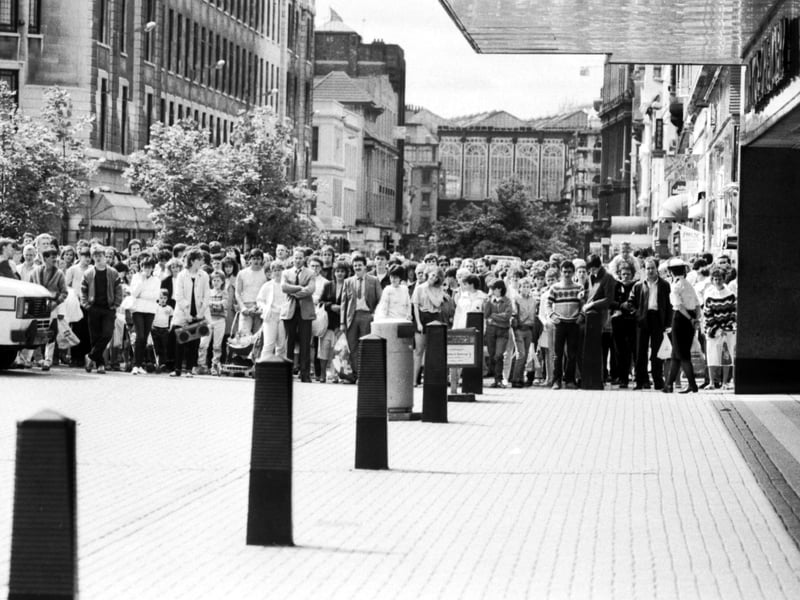
48. Bomb scare on Argyle Street
Glasgow crowds and shoppers stand well back when a suspect package is discovered in a litter bin outside Marks & Spencer store in Argyle Street, July 1985. The bomb disposal squad were called in but the bomb scare proved to be a hoax. Photo: Donald MacLeod