
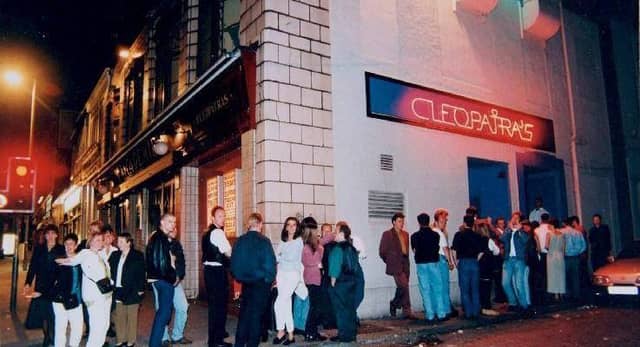


The 1980s was a decade like no other in Glasgow - from the new and trendy nightlife scene opening up, to the sub-cultures emegrging that have been a long-standing feature of Glasgow ever since.
As glamorous and glitzy as the decade was - it was also a time of great civil unrest for Glasgow, quite possibly it was the largest period of mass civil disobedience in the city since Red Clydeside in the early 20th century.
Industries were dying out across the UK, Thatcher came to power, and for many Glaswegians it felt like the final nail in the coffin for the city. Despite the anxiety, uncertainty, and righteous anger - there was certainly some good times as well, the burgeoning world of synth music influenced the Glasgow nightlife - with the cities first gay club opening at the start of the decade.
Protests, riots, and even Glaswegians openly fighting with police at picket lines was becoming more and more common throughout the decade as Glaswegians grew increasingly frustrated with the Conservative Governement of the time led by Margaret Thatcher.
The scene was set for the decade in its very first year - 1980, an eventful year to say the least. The Singer sewing machine factory at Clydebank was shut-down, and rioting began after the 1980 Scottish Cup Final - when a face-off between Celtic and Rangers at Hampden saw the Hoops walk away 1-0 up - resulting in a riot which led to alcohol bans at all sporting events in Scotland - to this day yous till can’t enjoy a beer at the football thanks to this incident.
At the same time, marginalised groups in the city began to come into their own - finding and creating their own spaces - women were permitted to drink at the University of Glasgow’s bar for the first time ever and Colin Barr opened Bennett’s, Glasgow’s first ever gay bar.
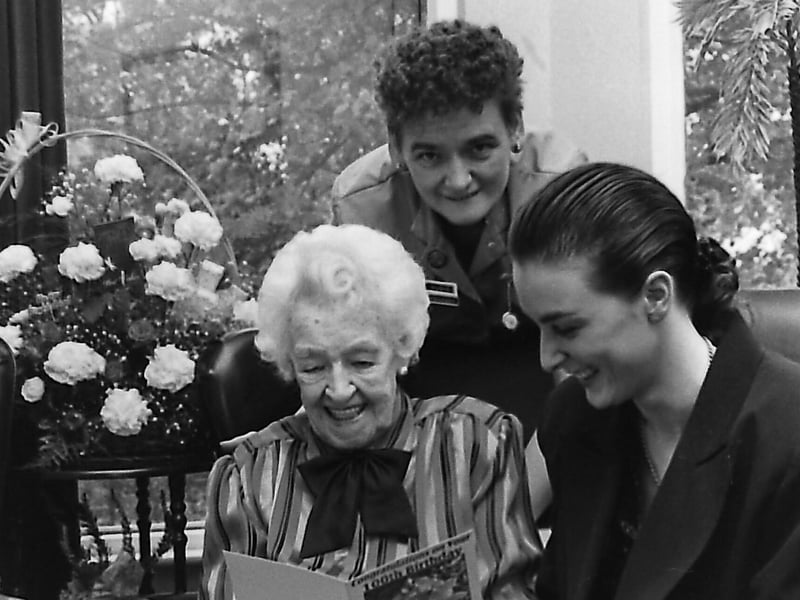
69. A Glaswegians 100th birthday in 1989
Mary Hosick got plenty of cards to mark her 100th birthday at Wood Bank Nursing Home of the Ballygomartin Road in Belfast in October 1989. Mary was born in Glasgow but sailed down the Clyde in 1916 and spent 70 of those memorable years as a resident of the Shankill Road were she raised a family of 10. Helping her to celebrate are matron Muriel Hughes and Margaret Smith. Picture: News Letter archives
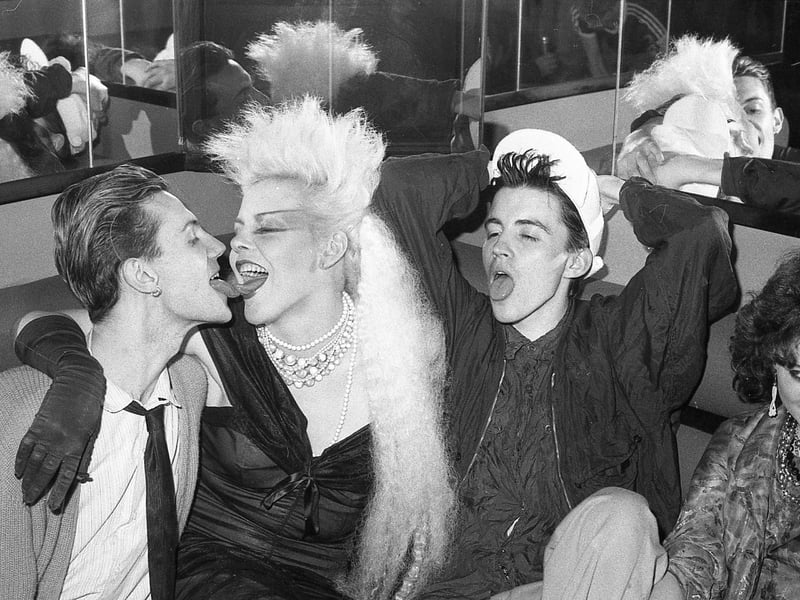
70. Frankie Goes to Hollywood (goes to Glasgow)
Angela Farley, dancer with Frankie Goes to Hollywood, headed north from Liverpool for a night out at Maestro’s after hearing about the club. She wasn’t disappointed. Photo: Simon Clegg
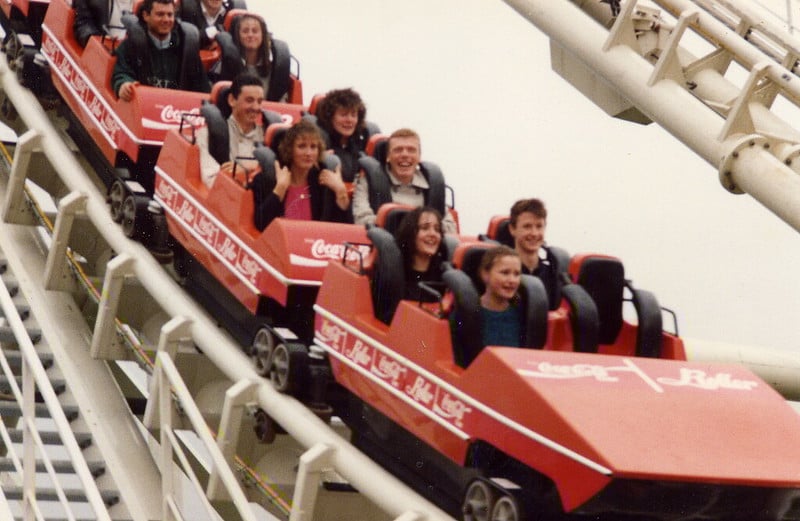
71. Coca-Cola Roller Coaster
Coca-Cola Roller Coaster August 1988 | Phyllis Buchanan
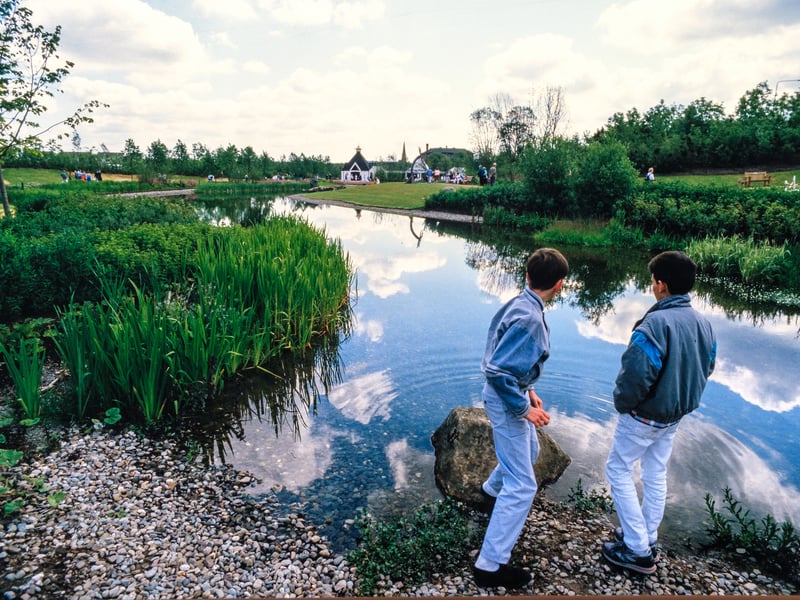
72. Glasgow Garden Festival
One of the gardens created for the festival | ah1