
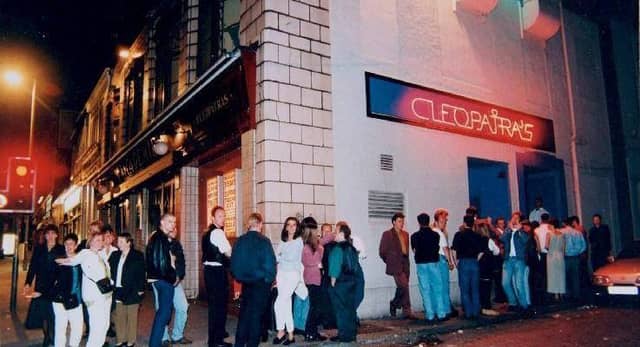


The 1980s was a decade like no other in Glasgow - from the new and trendy nightlife scene opening up, to the sub-cultures emegrging that have been a long-standing feature of Glasgow ever since.
As glamorous and glitzy as the decade was - it was also a time of great civil unrest for Glasgow, quite possibly it was the largest period of mass civil disobedience in the city since Red Clydeside in the early 20th century.
Industries were dying out across the UK, Thatcher came to power, and for many Glaswegians it felt like the final nail in the coffin for the city. Despite the anxiety, uncertainty, and righteous anger - there was certainly some good times as well, the burgeoning world of synth music influenced the Glasgow nightlife - with the cities first gay club opening at the start of the decade.
Protests, riots, and even Glaswegians openly fighting with police at picket lines was becoming more and more common throughout the decade as Glaswegians grew increasingly frustrated with the Conservative Governement of the time led by Margaret Thatcher.
The scene was set for the decade in its very first year - 1980, an eventful year to say the least. The Singer sewing machine factory at Clydebank was shut-down, and rioting began after the 1980 Scottish Cup Final - when a face-off between Celtic and Rangers at Hampden saw the Hoops walk away 1-0 up - resulting in a riot which led to alcohol bans at all sporting events in Scotland - to this day yous till can’t enjoy a beer at the football thanks to this incident.
At the same time, marginalised groups in the city began to come into their own - finding and creating their own spaces - women were permitted to drink at the University of Glasgow’s bar for the first time ever and Colin Barr opened Bennett’s, Glasgow’s first ever gay bar.
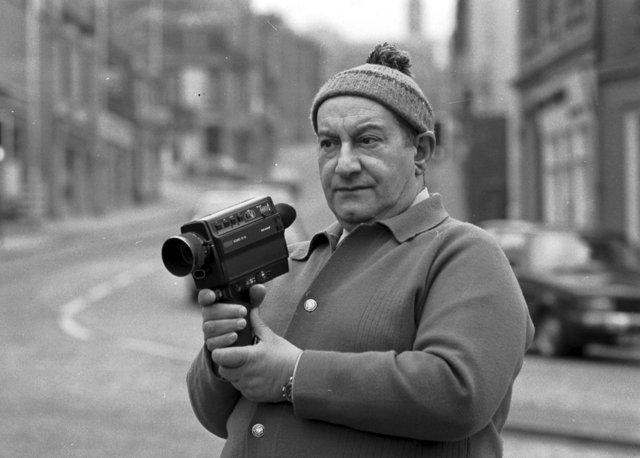
9. Enrico Cocozza in Glasgow
Scottish documentary film-maker Enrico Cocozza in Glasgow, March 1980. Photo: tspl
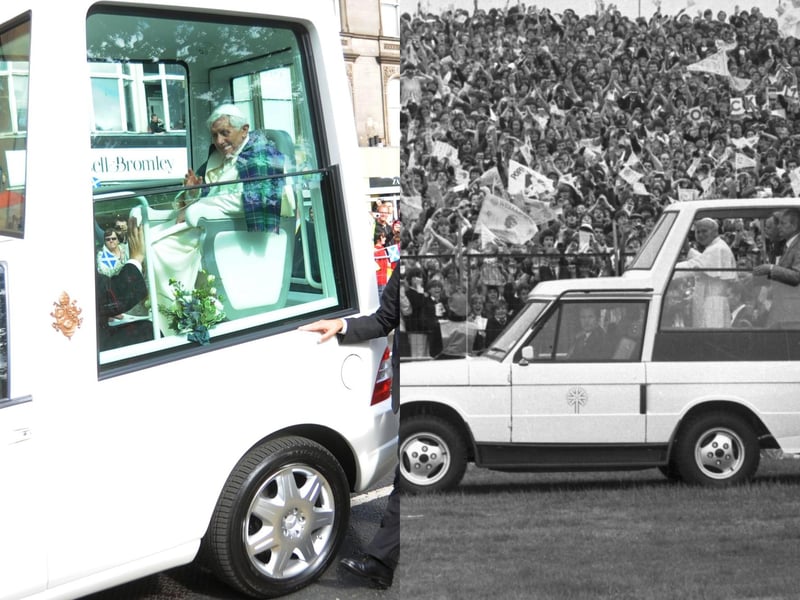
10. Papal visits
Pope John Paul II visits Glasgow to celebrate Mass with a huge crowd of around 300,000 people at Glasgow’s Bellahouston Park. In September 2010 Pope Benedict XVI visited the city, where he led a huge outdoor mass in Glasgow’s Bellahouston Park attended by around 65,000 people before flying to London that evening. Photo: National World
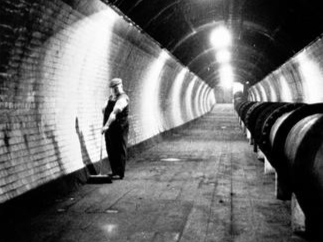
11. The closure of the Harbour Tunnel Rotundas
Now home to the Cranside Kitchen, one of the city’s most trendy dining and drinking venues, Glasgow’s distinctive north harbour tunnel rotunda once served a rather different purpose. One of two access points to a tunnel system which allowed pedestrians, horsedrawn waggons and small vehicles to cross the water when this end of the city was filled with warehouses and dock workers. Closed in 1980, it was left empty for more than three decades. You can see the linking south rotunda on the opposite side of the Clyde which has now been converted into an office space. | Partick Camera Club
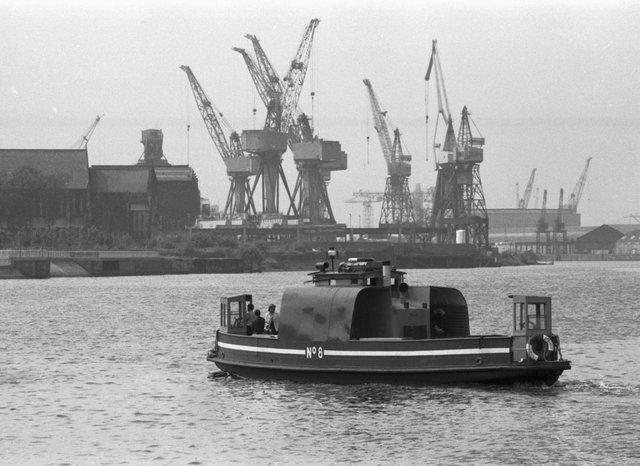
12. The Kelvinhaugh ferry crossing the Clyde
The Kelvinhaugh ferry crosses the River Clyde in Glasgow, June 1980 - it would cease providing the service in the same year after over a hundred years of carrying passengers across the Clyde. Photo: tspl