
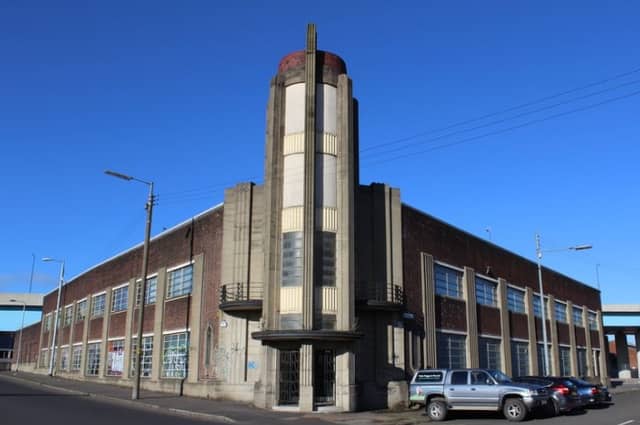


It wasn’t too long ago that Glasgow was a truly industrial city, and before that a merchant city - there's generations upon generation of different buildings, structures, and spaces that date back hundreds of years in the city, that we might not even realise have such a storied history.
Old factories, warehouses, former churches and post-industrial spaces - we're a enterprising bunch when it comes to re-using out old spaces, so much so that we can forget that these buildings we see everyday were formerly used for an all-together different purpose.
The re-use of these old buildings is all-in-all a good thing, too many great Glaswegian buildings have been razed to the ground in the last 60 years.
Thanks to the listed building initiative however, many of the better presented spaces like the Templeton Carpet Factory were preserved for their architectural significance.
These spaces produced much more than just the products they manufactured, lifelong friends and even romances were made in the four walls of the factory - as Glaswegians worked ridiculously long hours before returning to slum tenement housing conditions.
To find out more about the life and times of Victorian Glaswegians, check out our picture gallery here.
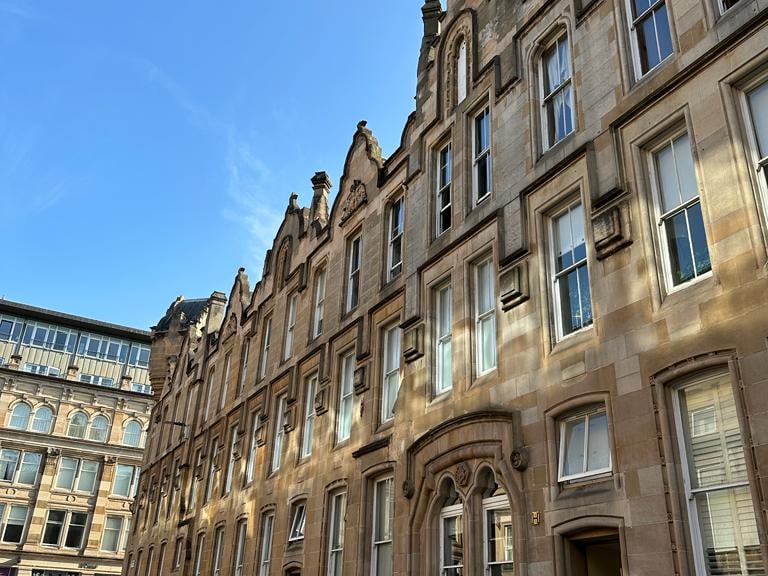
5. Brunswick Street
Described by Historic Environment Scotland as a ‘bizarrely detailed Gothic warehouse’, the 3-storey 10-bay blonde sandstone building on the corner of Brunswick Street and Ingram Street is now being used as flats. | Contributed
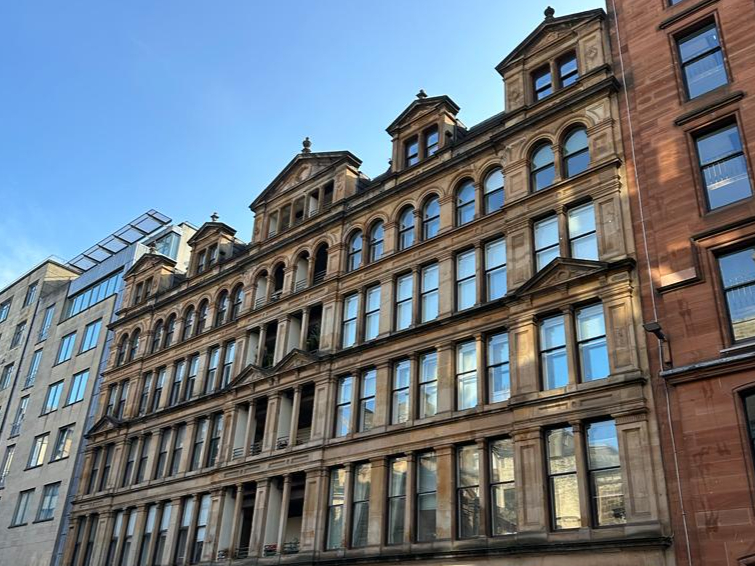
6. 18 Montrose Street
Built in 1878 as a leather merchants’ warehouse, the 5-storey warehouse building has now been converted to flats - the bottom floor was home to independent designer clothes shop 18montrose street, until it closed down towards the end of 2022. | Contributed
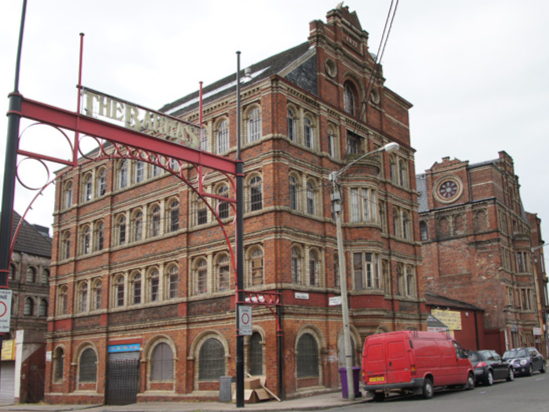
7. Clay Pipe Factory
Built 1876-79, and designed by architect Matthew Forsyth (1850-80). The former factory comprises of three ornate red and white brick buildings around the Barras, which were originally linked by an equally ornate two storey building filling the site between the three buildings. The three buildings sited in the Gallowgate at the east end of the Barras market area have Italian renaissance inspired design details and have some of the most intricate and ornate use of brick to be found within the city. Originally a clay pipe factory, the three buildings are currently a mix of commercial and residential usage. The buildings are category B listed. | Architecture Glasgow
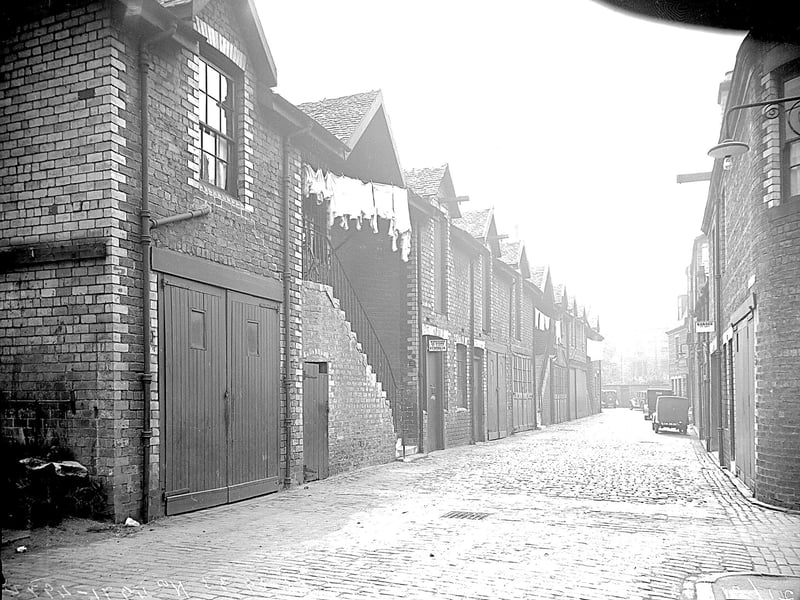
8. Ashton Lane
Back in the day Ashton Lane was little more than some old stables, workshops and sheds for a funeral undertaker. In 1976 the Ubiquitous Chip relocated from Ruthven Lane to the dingy West End alley, encouraging others to join them - before long there was a fairy light canopy and it became the buzzing heart of hospitality in the West End. | Glasgow City Archives