

The scene: Glasgow, the setting: the 1930’s - it’s a brave new world out there folks, a sleek new age full of hope following the ghastly start of the 20th century.
After getting a great world war out of the way (thank goodness that’ll never happen again), and a horrific worldwide stock crash that caused a lasting economic depression (glad we sorted that out once and for all) - it’s the 30’s, an optimistic new era - it’s boomtime baby, and this is reflected no better than in the architecture of Glasgow at the time.
A hopeful new outlook and hopes for a happy new life required a few things - primarily new public spaces like cafe’s, hotels, and cinemas - places where people could spend money, that for once a lot of people in Glasgow had in spare supply.
Architects in Glasgow (and Scotland as a whole) were watching the rapid upscaling of New York - as the lowly port city shot into space with the introduction of skyscrapers and a booming economy post-war.
American consumerism wasn’t long on the horizon, while in Britain we had feudalism and mercantilism down to a T - we never picked up capitalism quite as quickly as our little cousin across the Atlantic managed to.
Advertising, Marketing, and an emerging new middle class - all products of a society ready to be ravaged by the new concept of consumerism.
It first came to Glasgow (and Scotland as a whole) in Bellahouston Park - where the Empire Exhibition was held in 1938. The incredible Tait Tower enthralled millions who came to see the exhibition, it truly was an awe-inspiring site - and despite it being torn down shortly after the exhibition, it’s lasting legacy inspired many architects to follow the principles of Art-Deco design.
Professor McKean, professor of Scottish architectural history at Dundee University, said it was important to recognise the impact of art deco architecture, particularly in those cities still inextricably linked to Victorian times.
McKean told The Scotsman back in 2010:“In a city like Glasgow, it was a huge change. The Art-Deco buildings shook up the architecture of industrial Scotland. Suddenly, you had these sleek buildings, that were shiny, or brilliant white, or with dazzling chrome fascias, appearing in soot black streets.”
After a second world war, the people of Britain became a bit embittered with the idea - beginning to favour more practical architecture like brutalism (for a very brief period) and seeing art-deco as embarrassing relics of a time where they believed that better things were actually on the way, you could call that theory conjecture however.
Whether it was as deep as that or people just found them a bit old-fashioned and naff, Art-Deco buildings didn’t get much love either way - and for the most part were demolished or left to decay, as is the case with many of the Art-Deco icons still standing around Glasgow.
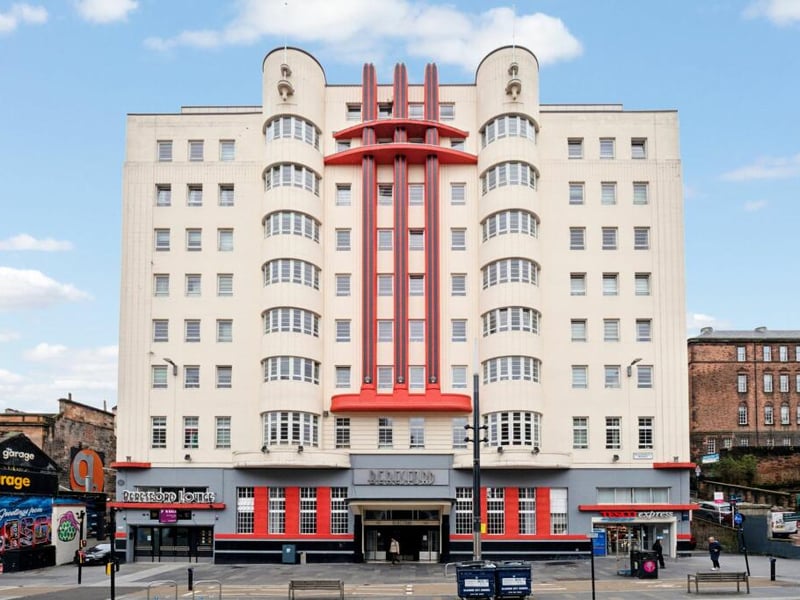
1. The Beresford Building
The Art Deco profile of the Beresford on Sauchiehall Street. Built in 1938 to provide hotel accommodation for those attending the Empire Exhibition, it was described as Glasgow’s first skyscraper. The Beresford Building on Sauchiehall Street has gone through many iterations in it’s near 100-year-long lifespan. It was first a hotel, then an office block, then student accommodation, and now it’s flats! If those walls could talk eh? JFK even gave one of his first political speeches on behalf of his ambassador father to calm the people of Glasgow during the very beginnings of WW2. | Rightmove
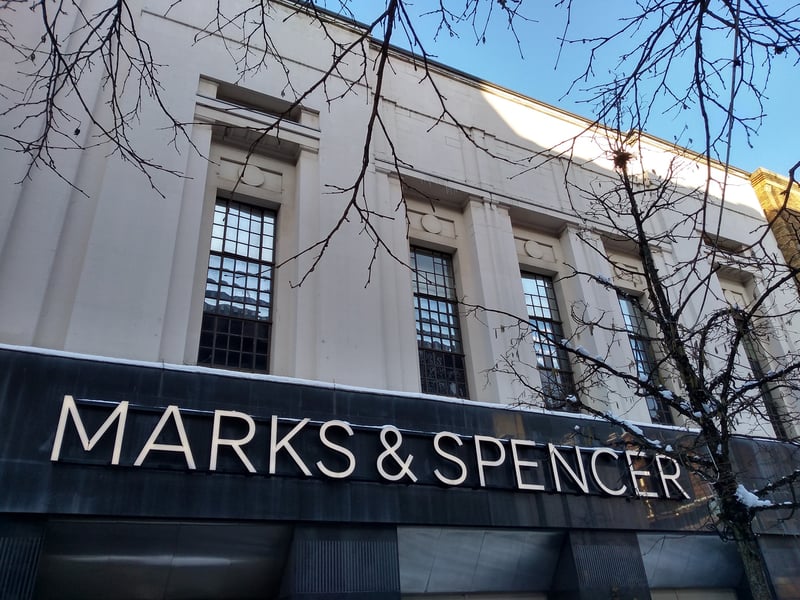
2. Marks & Spencer's Building Sauchiehall Street (Former)
The second art-deco building on Sauchiehall Street makes it the street most influenced by the architectural era of the early 20th century. It was an uncertain future for the art-deco building after M&S abandoned it, but now it’s set to be transformed into student accommodation with a retained façade - a fitting replacement for Glasgow. | Marks & Spencer Sauchiehall Street
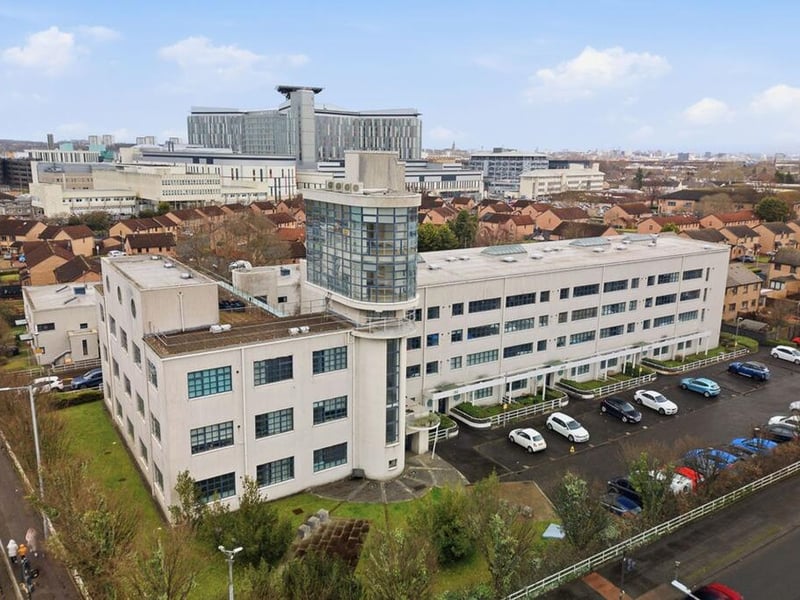
3. Luma Tower
Formerly a lightbulb factory, the design for the building is based off an art-deco headquarters for Luma in Sweden built in the 1930’s. This replica sits in Govan, built in 1938 it was the peak era for Art Deco architecture - the glass lighthouse-like structure was actually used to test lightbulbs above their brightness level to see how resilient they were. The tests would be extremely bright and would project massive beams of lights from the panoramic bay windows. After it’s lifespan as a factory, it was used for a range of purposes, including as a caravan showroom, before being restored from dereliction in the 90’s and transformed into housing. | Rightmove
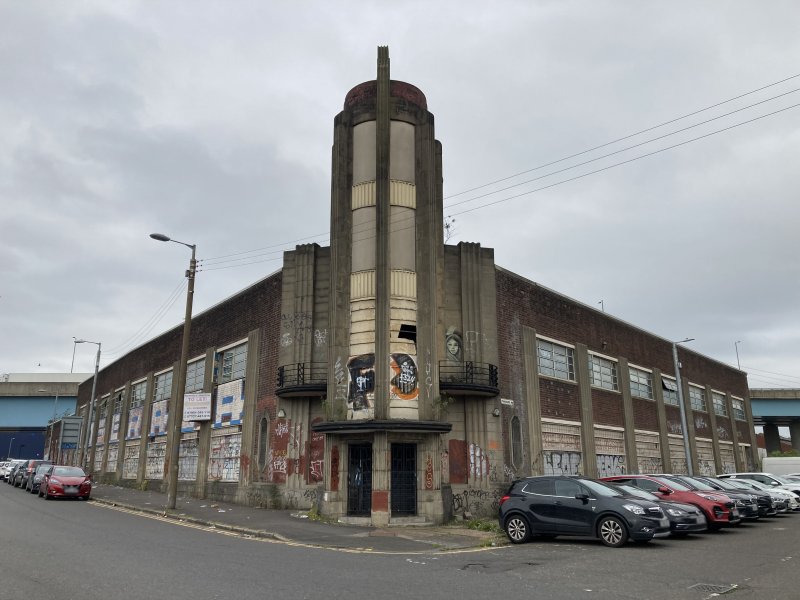
4. Leyland Motor Company (Former)
The Leyland Motor Company building looks like it was plucked right out of boom-time Detroit, but you can actually find the building in Tradeston. The beautiful building is one of the most unique in Glasgow, and it’s a tragedy that the building now finds itself on the Buildings at Risk register. It lies empty, after a brief period of time in use as After it ceased to be used by the Leyland Motor Company, the building was taken over by the Strathclyde Police Mounted and Dog Branch as a stable block and kennel. It now lies derelict. | Historic Environment Scotland